Curiosity continues to be my compass, so an offer to spend a relaxing weekend in an RV overlooking the Bay of Fundy had me intrigued. I'd never stayed overnight in one, nor had my husband.
Keen for the adventure, we left Moncton on Friday afternoon for RAW, short for Rest and Wander, an off-grid retreat in Upper Rockport, N.B. We travelled through Sackville to Route 935 on the Maringouin Peninsula, the jut of land separating Shepody Bay from the Cumberland Basin at the head of the Bay of Fundy.
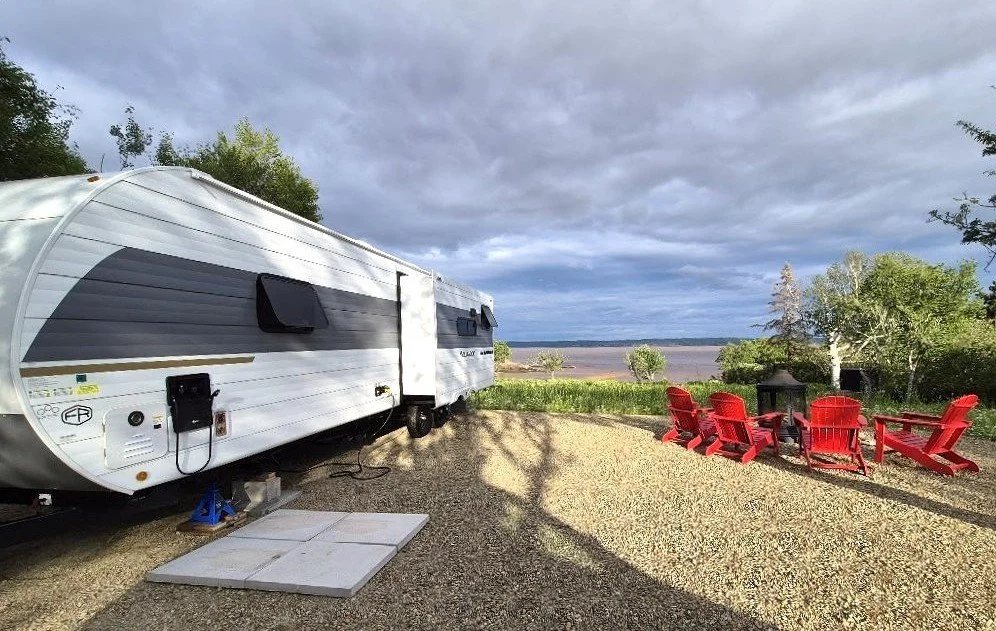
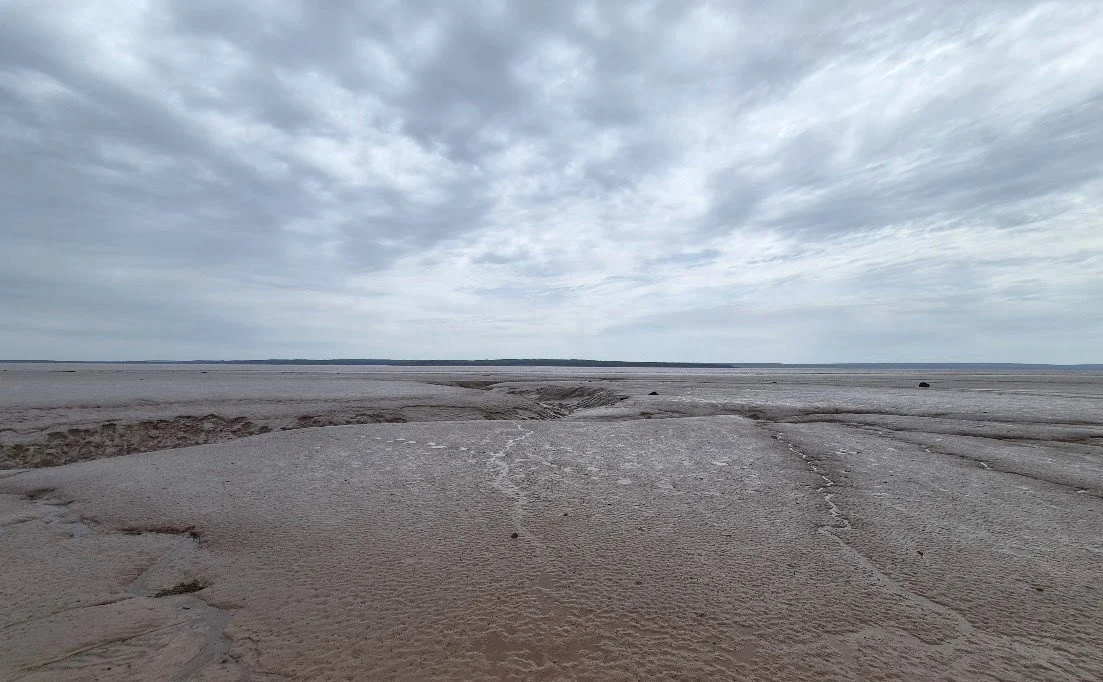
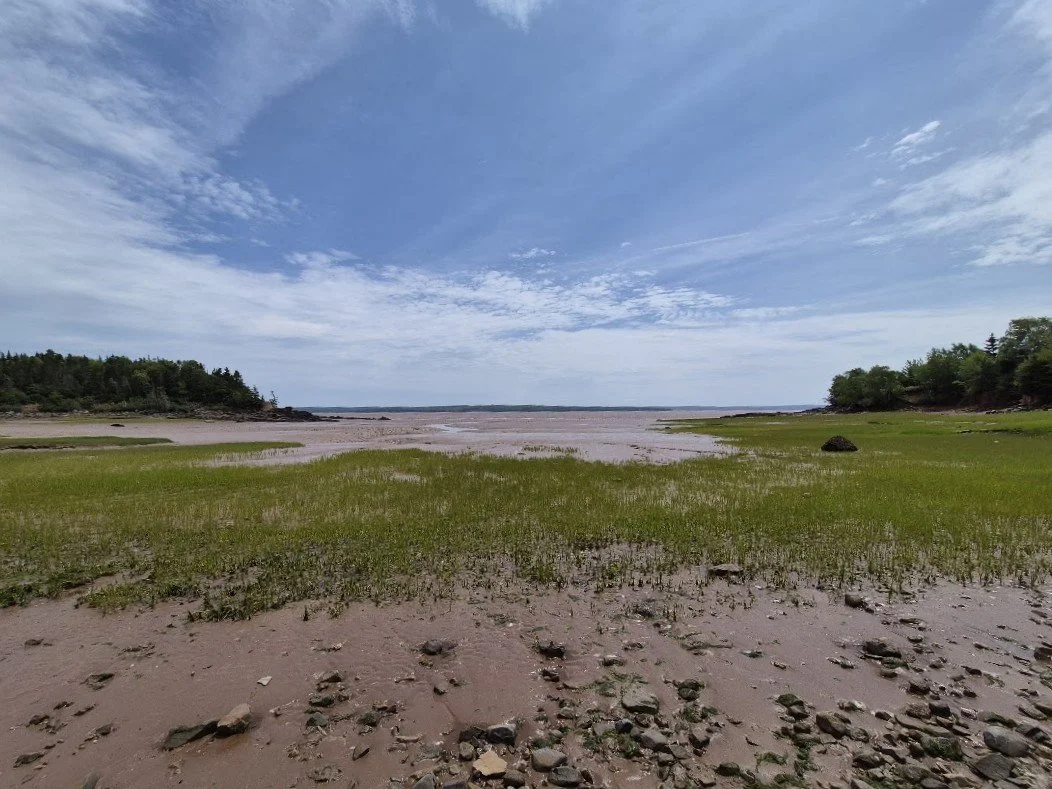
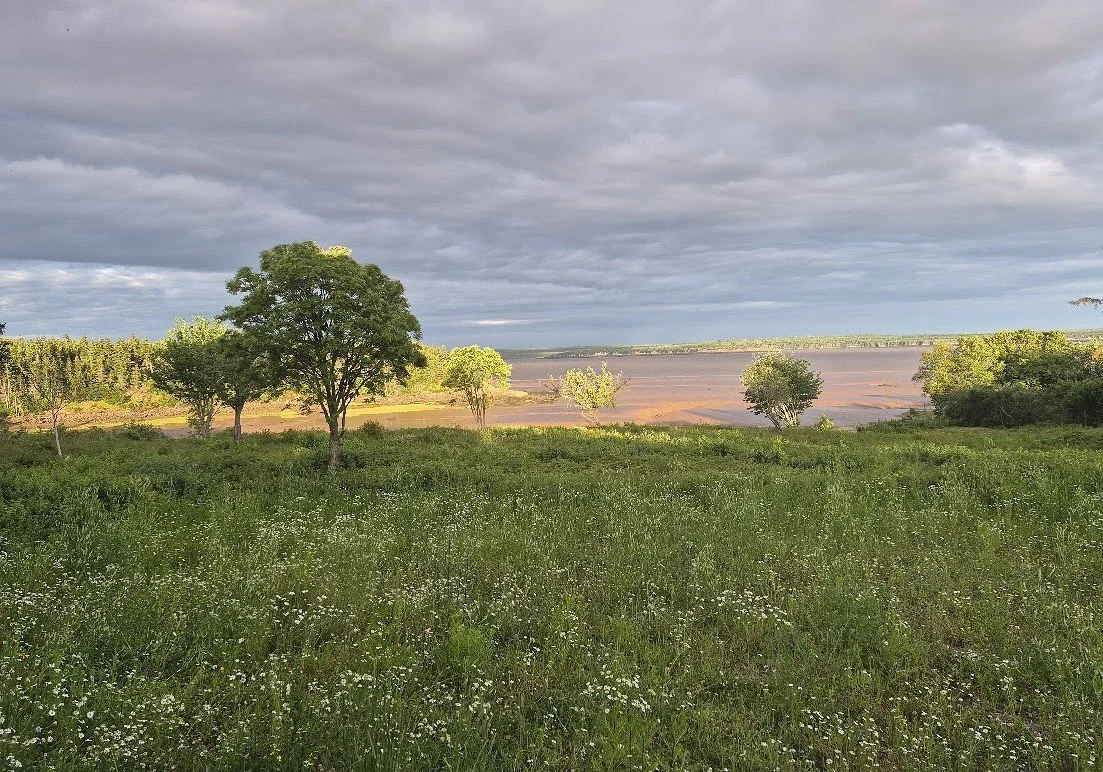
After watching for the address, we turned down a short road that opened onto a gravel clearing on RAW's 30-acre (12-hectare) waterside property. A 33-foot stationary RV sat beside a campfire area and a picnic table. Beyond, a hillside of wildflowers and low brush sloped toward a tidal inlet that emptied into the Cumberland Basin. Much of the inlet consisted of mudflats etched with deep tidal channels, but we knew that within hours some of the world's highest tides would begin reshaping the landscape.
From family land to Fundy retreat
RAW owner Peter Cole welcomed us on site. Although he now lives outside Ottawa, his connection to Upper Rockport goes back decades. His father, who was born and raised in Sackville and attended Mount Allison University, purchased the parcel of land where RAW now sits in the 1960s. As a child, Cole visited family here and later spent summers tending nearby blueberry fields.
His father eventually gave him the land with one request: don't sell it. When plans for a large geodesic dome and a tiny home encountered design and permitting challenges, Cole and his partner, Beau, opted for a stationary RV so others could experience this part of the Bay of Fundy. They hope to add a permanent year-round structure in the future while preserving the site's privacy and its close connection to nature.
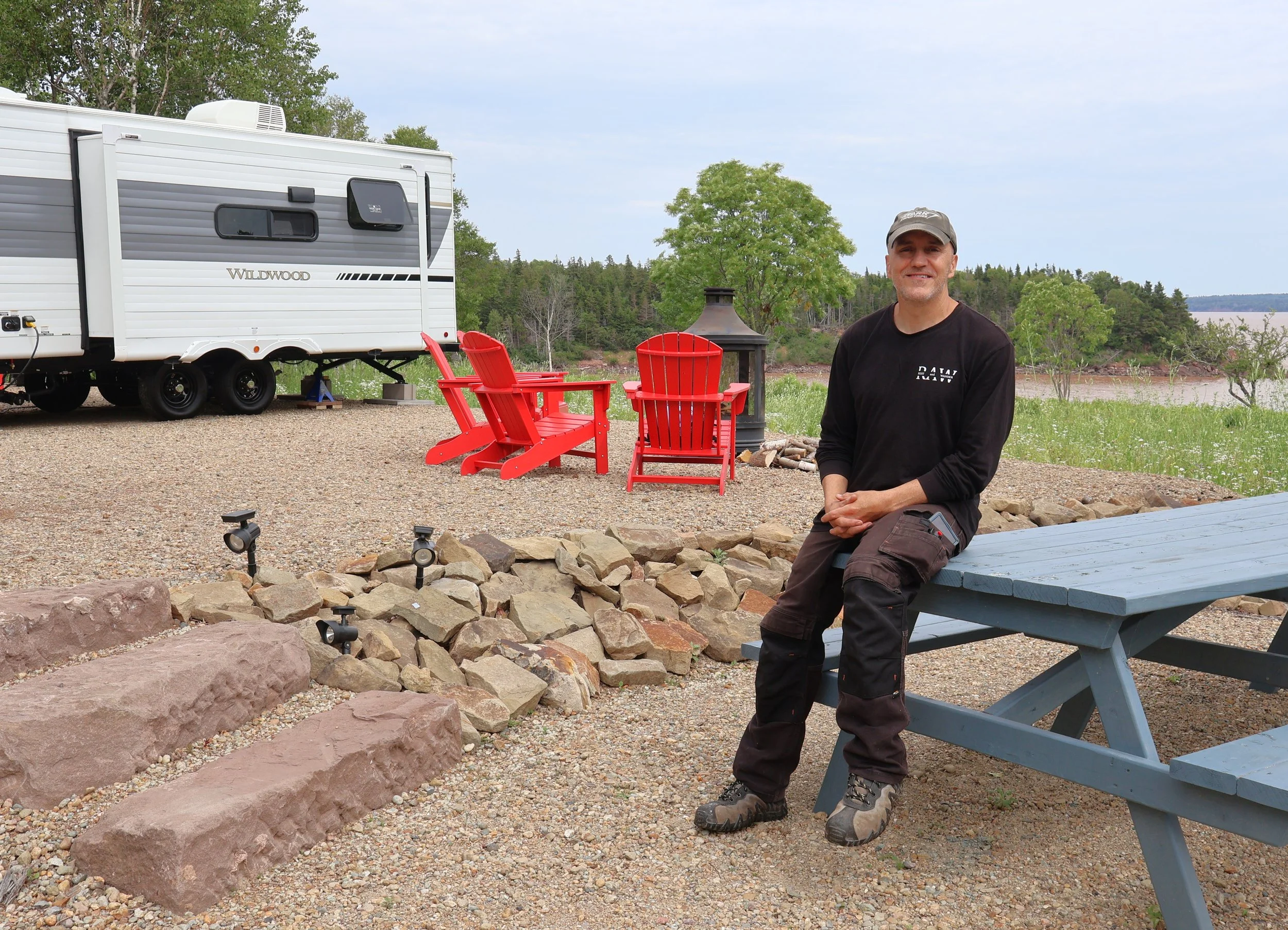
Once Cole had given us a tour and shown us how the RV's generator, water pump and interior power panel worked, he headed out, letting us know he'd be in the vicinity if we needed anything.
We only needed to text him once. OK, maybe twice.
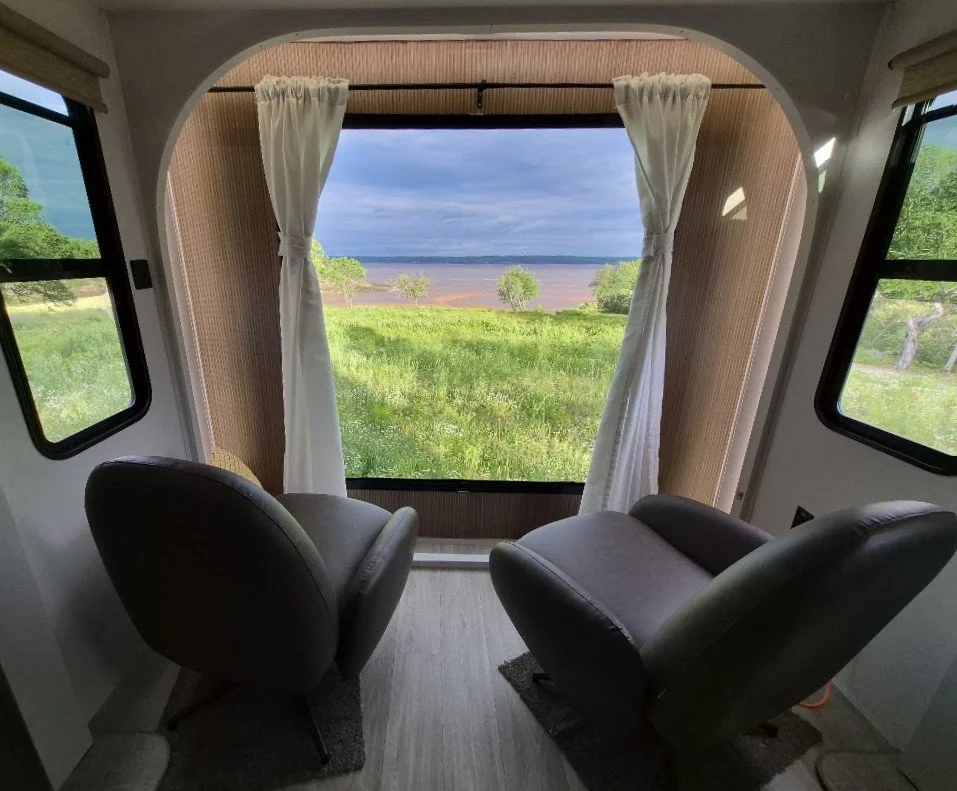
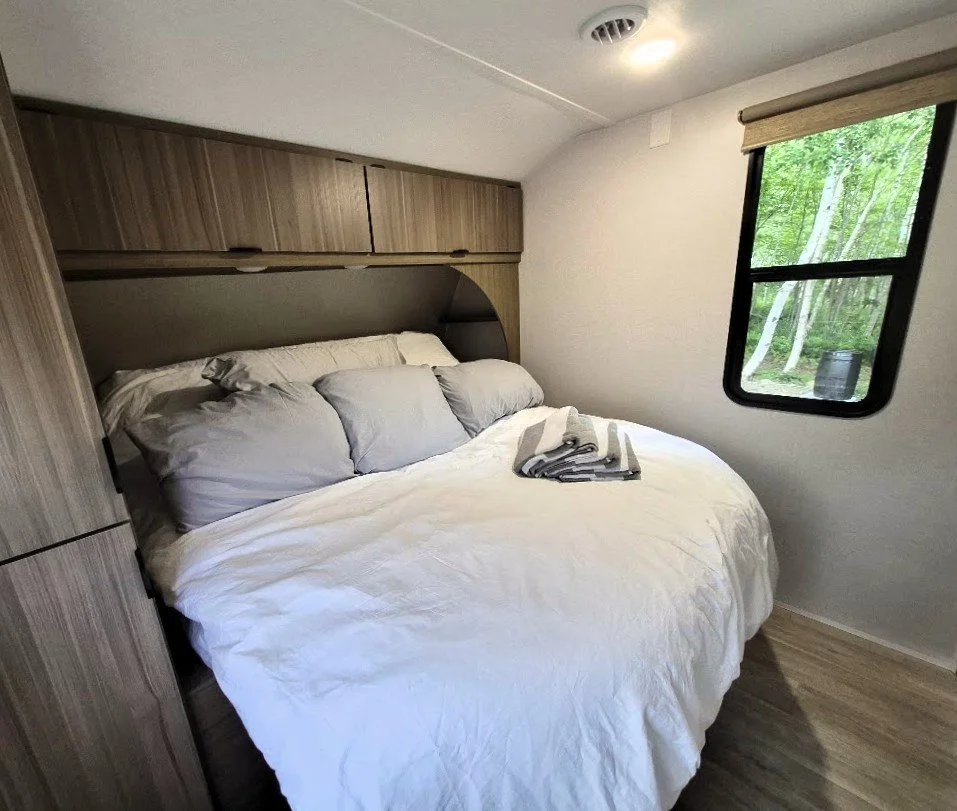
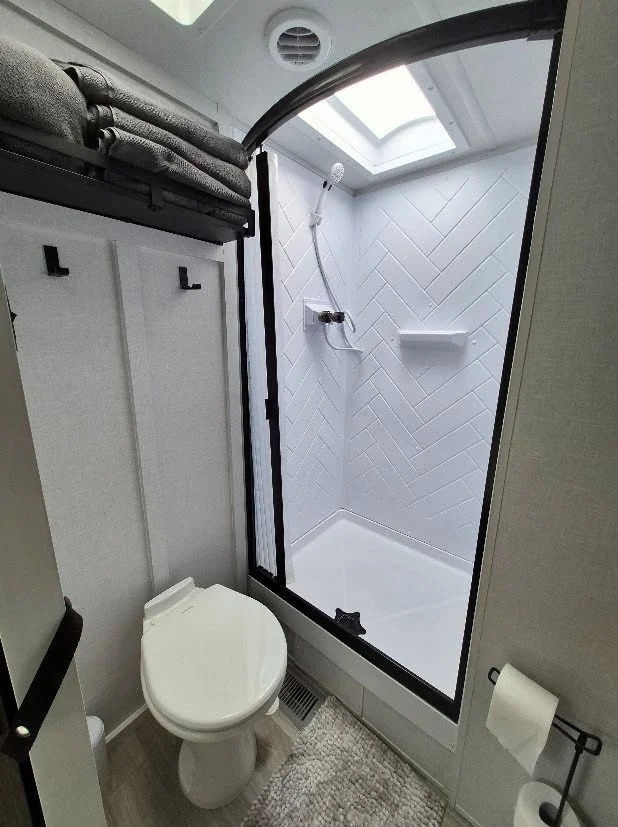
Over the next few hours, we settled into the 33-foot 2026 Wildwood Zen RV. There was a full kitchen, a cozy bedroom, a bathroom with a shower, and two reclining chairs positioned in front of a picture window. They soon became our go-to spot to watch the tides.
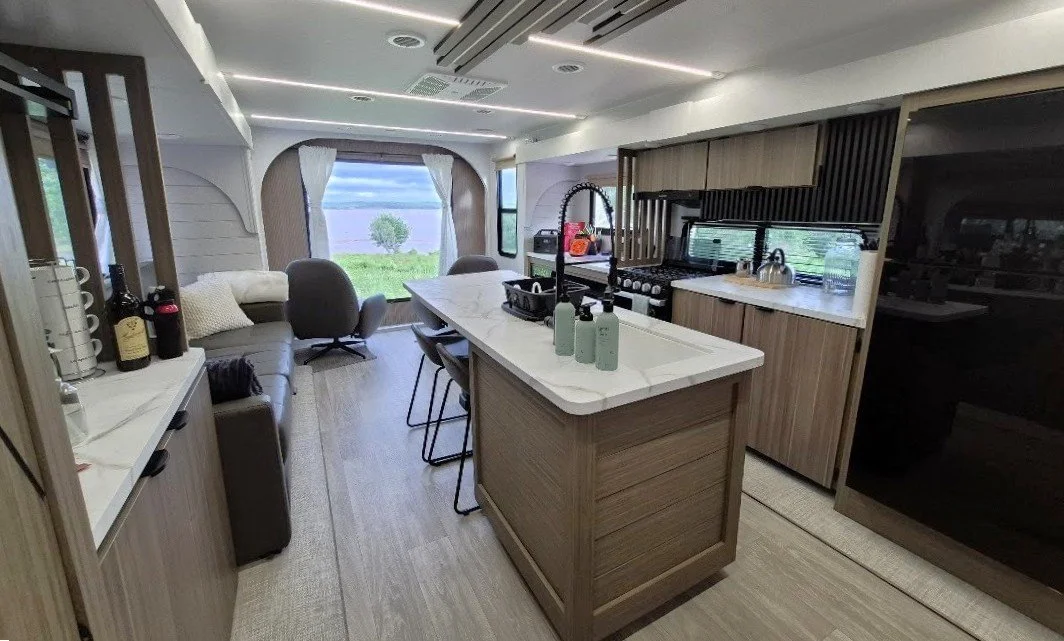
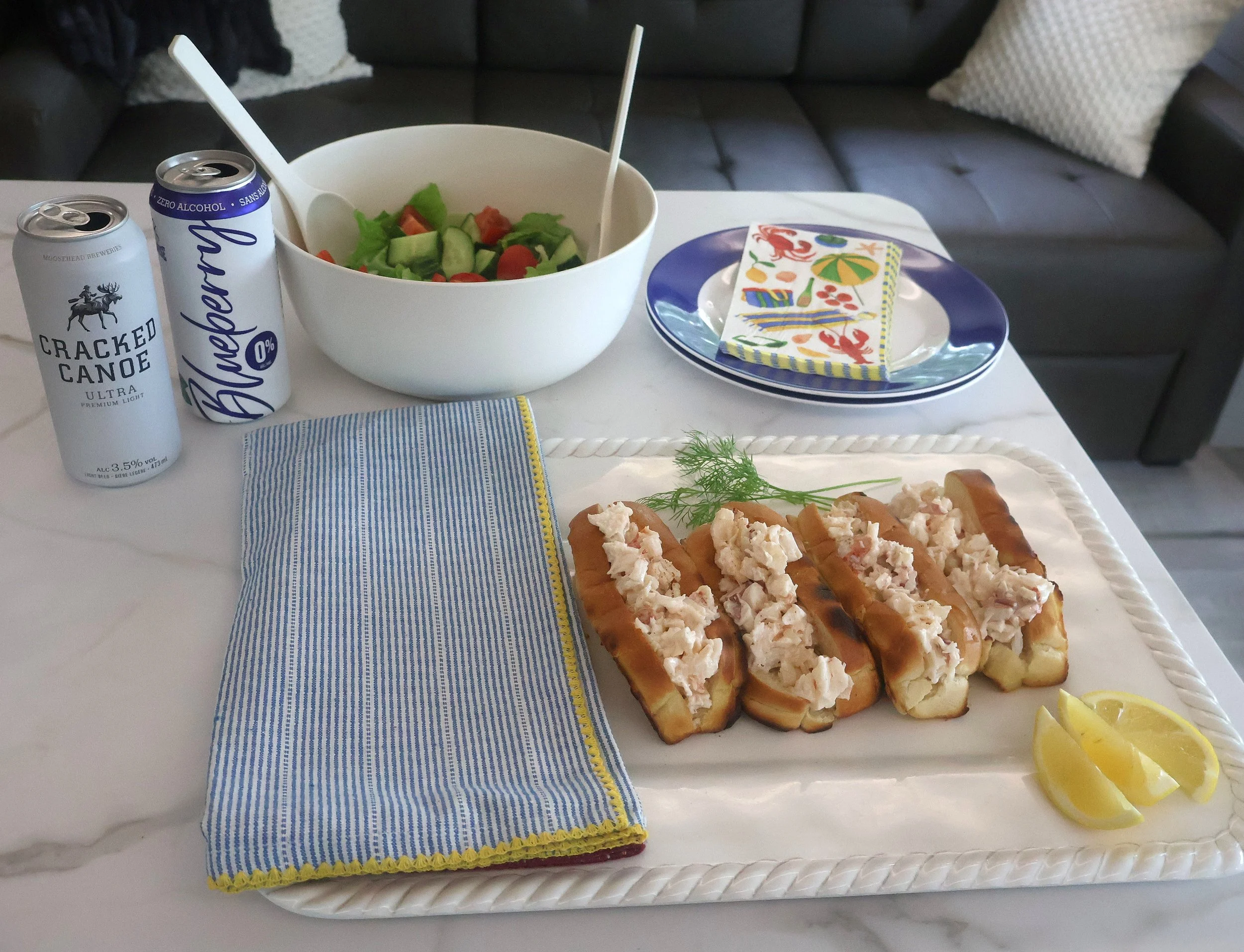
With our stomachs growling, I put the kitchen to the test by making lobster rolls with Fundy lobster. It was just the beginning.
A taste of the region
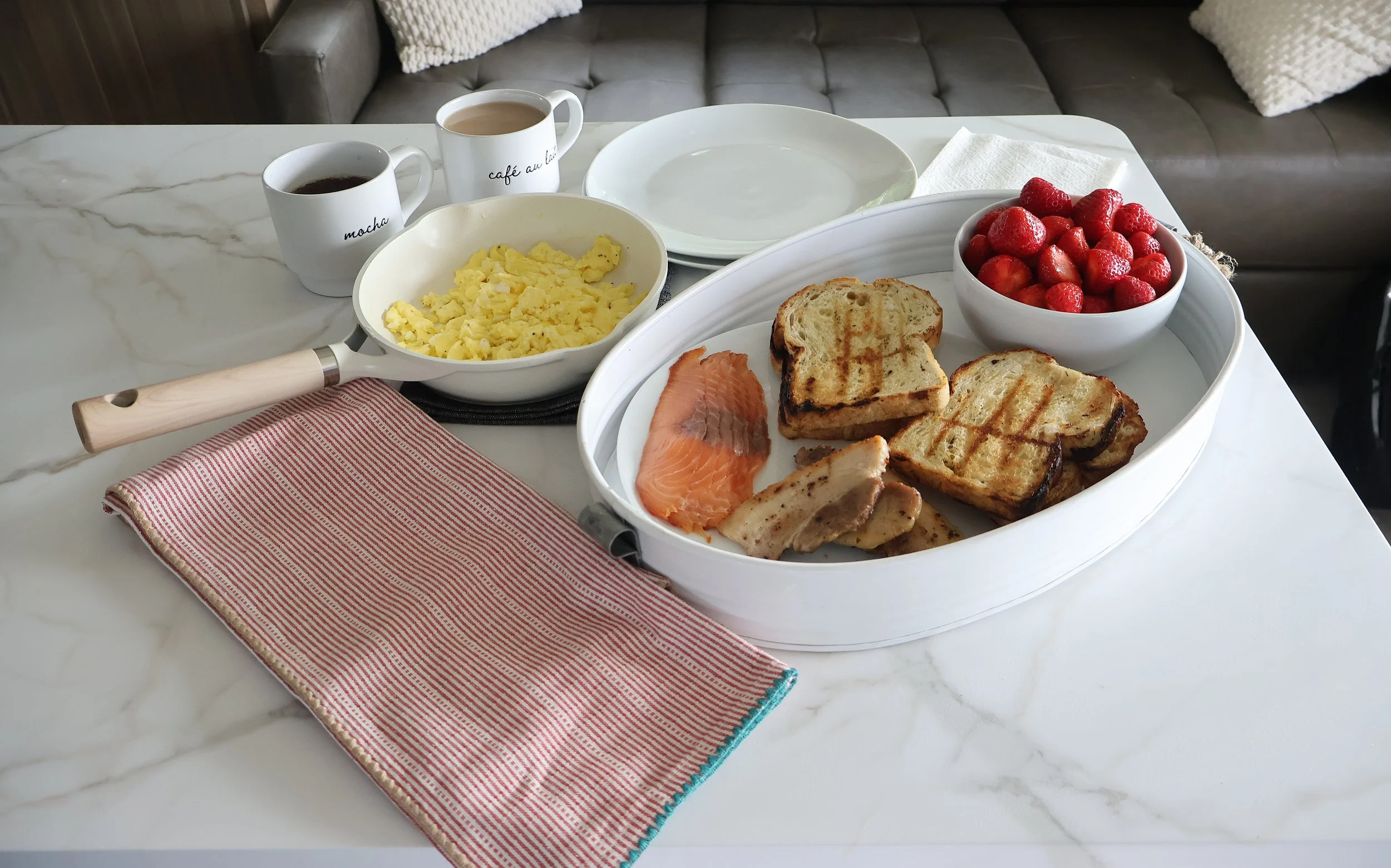
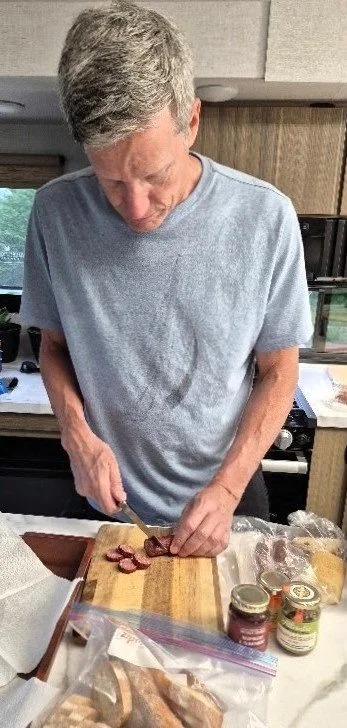
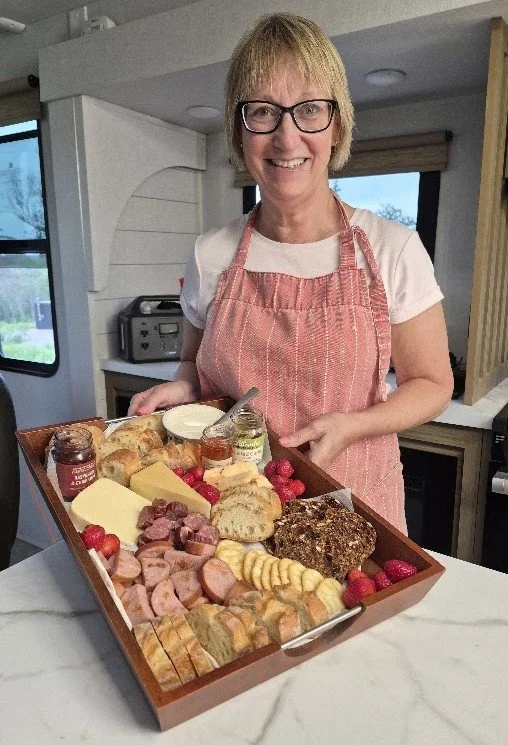
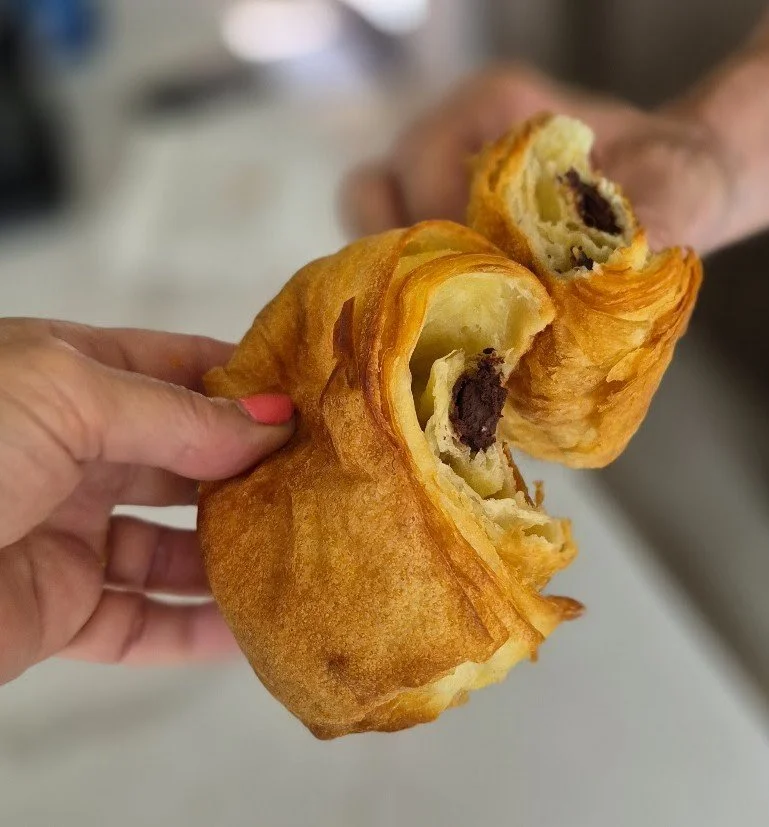
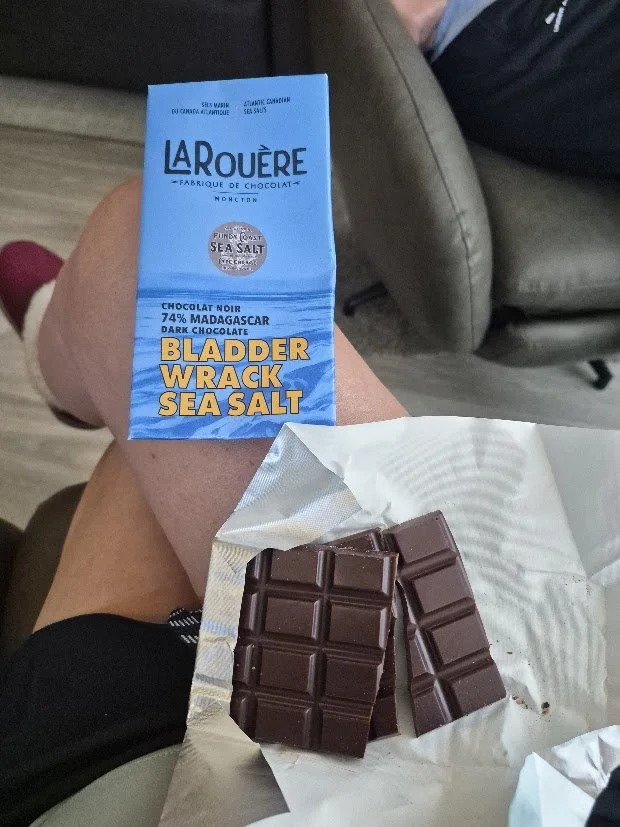
Before leaving Moncton, I planned our meals for the trip around made-in-New Brunswick items, complemented by a few products from elsewhere in the Maritimes, most purchased through independent retailers.
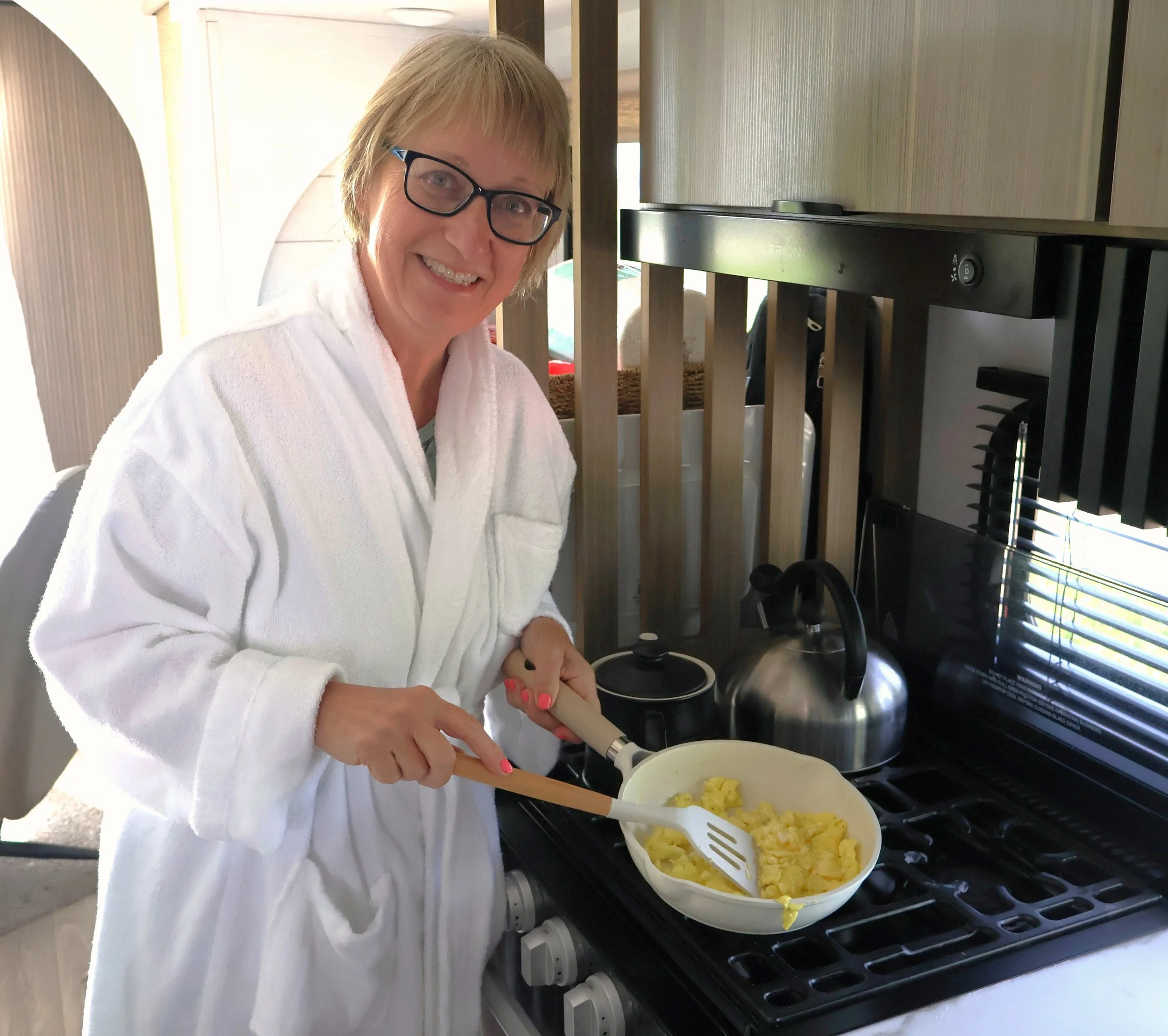
Keith and I shared kitchen duties while music played through the RV's sound system. We enjoyed the regional fare at the kitchen island or carried our plates to the recliners overlooking the water. Judging by the smiles, my "shop local" decision proved to be a good one.

Shoreline adventures
We filled the rest of the weekend with pursuits like reading and photography, along with visits to the shoreline and other places Cole recommended.
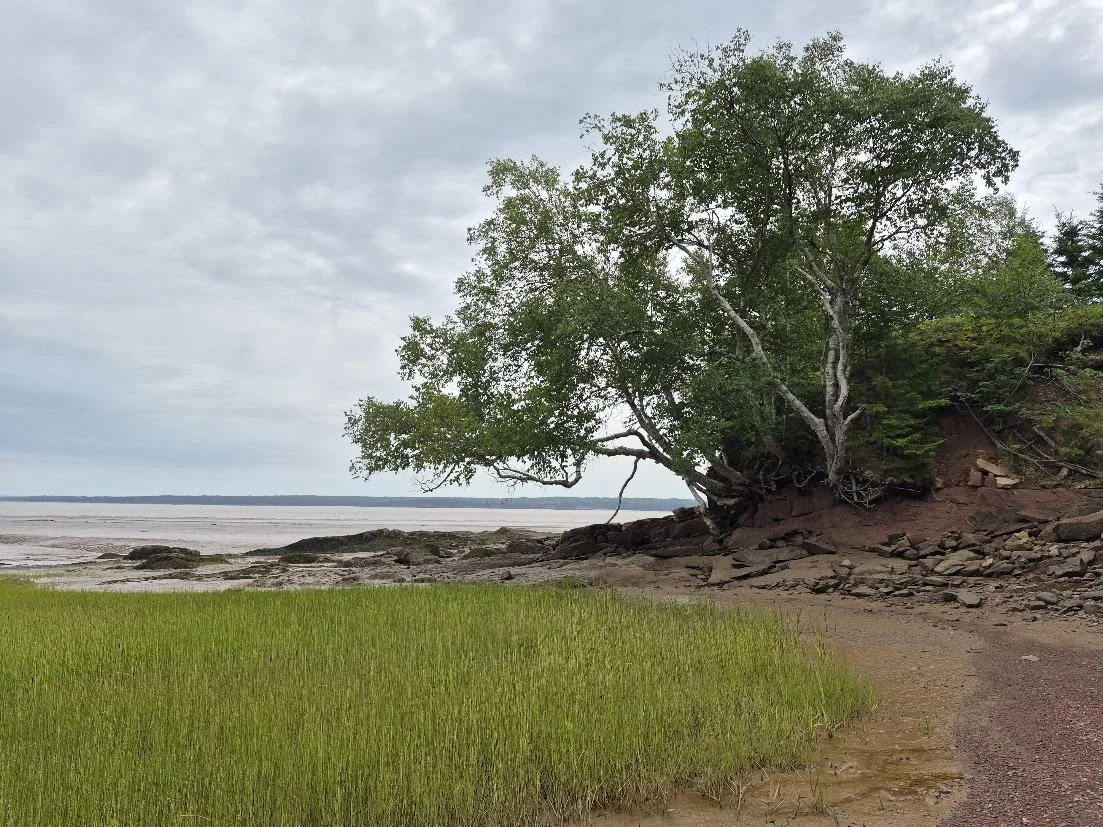
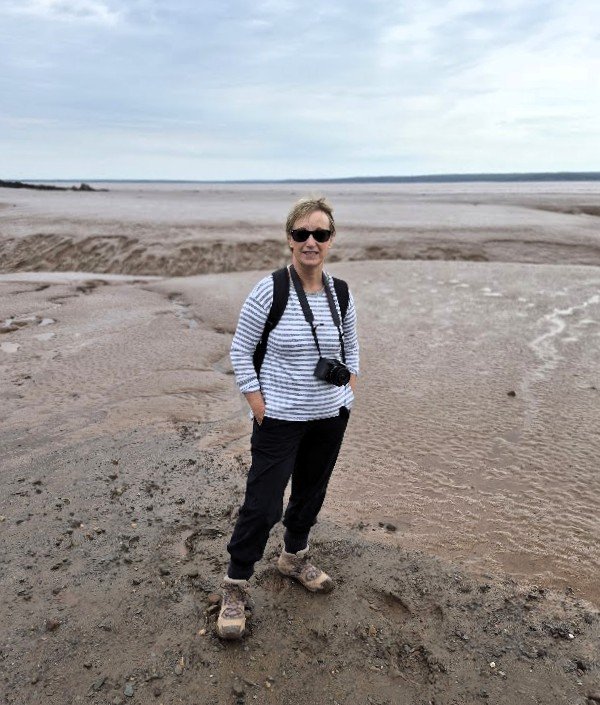
For one excursion, we donned our hiking boots and followed an informal path from the RV to the beach.
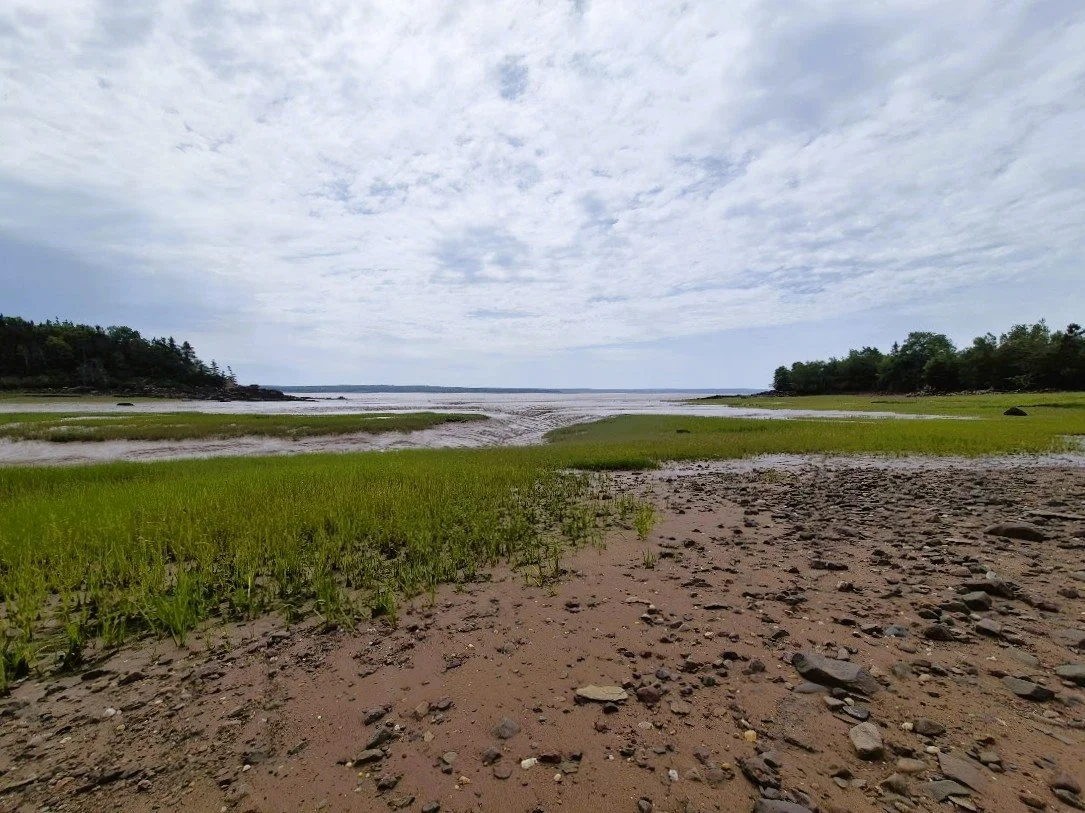
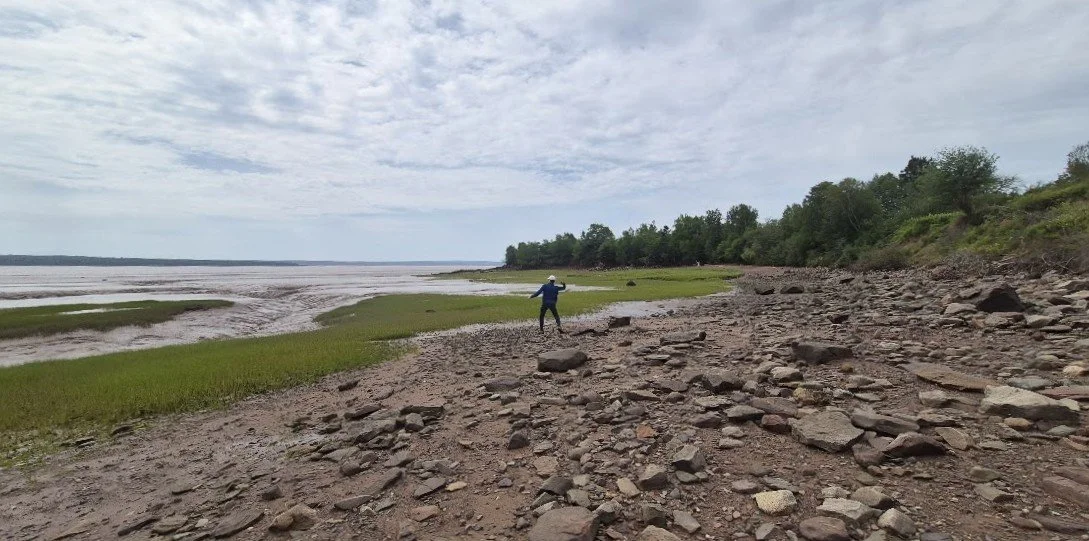
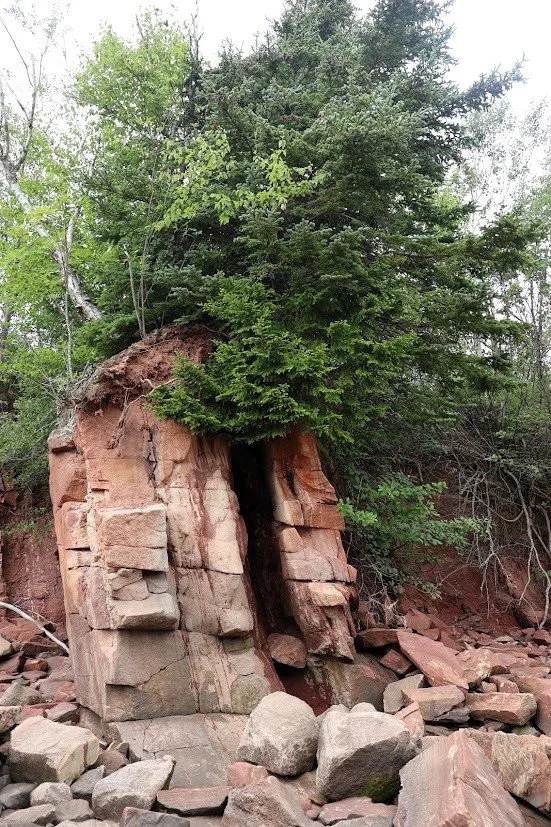
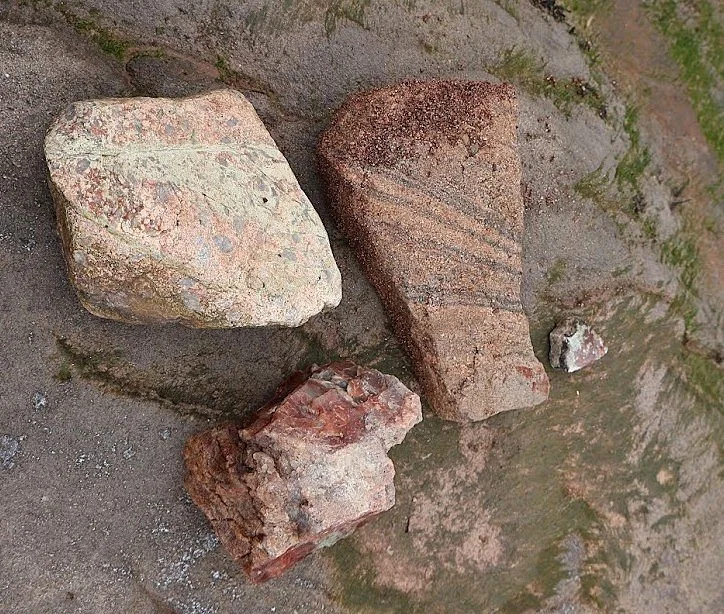
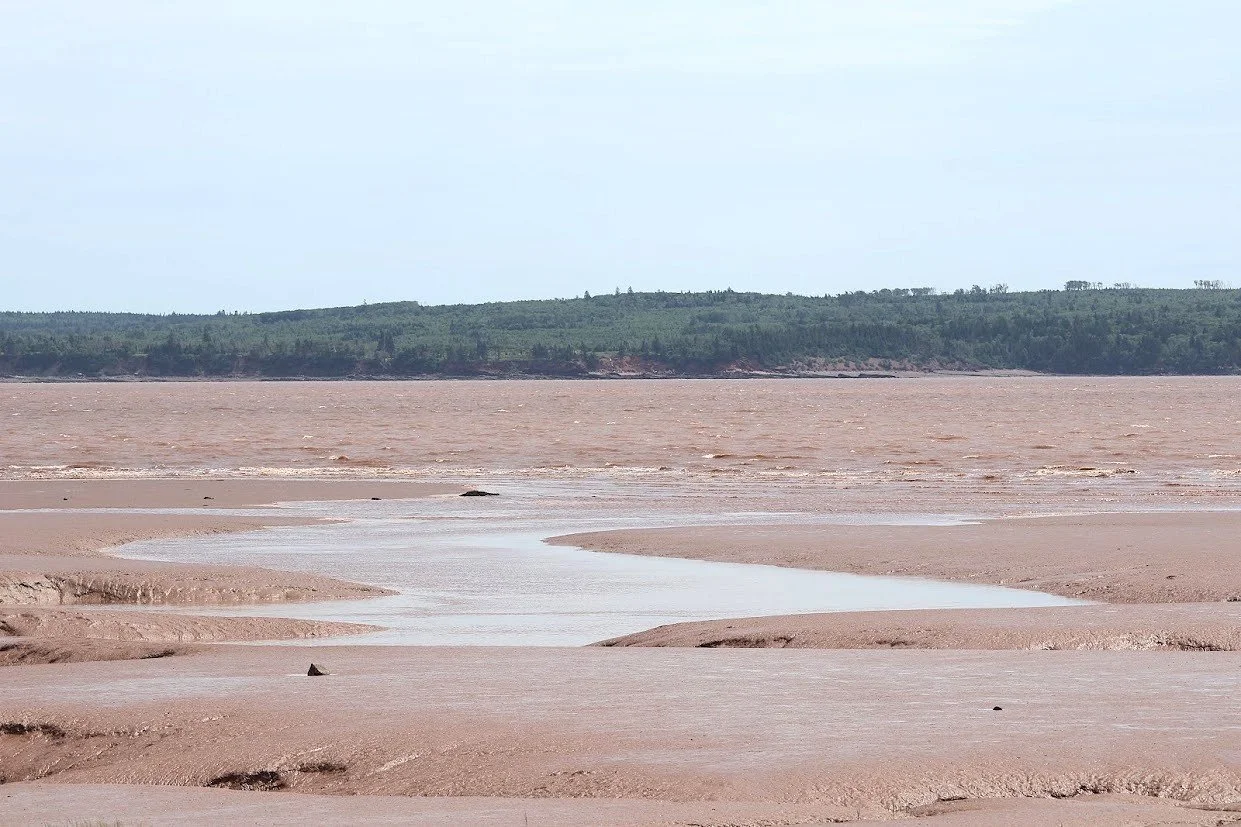
As I meandered at low tide, Keith tossed a few stones toward the mudflats, leaving small pockmarks behind. We wandered the coast, stopping often to chat about unusual rocks and animal tracks while wondering what lay on the far side of the Cumberland Basin. We later discovered one of the ridges we'd noticed was home to the Joggins Fossil Cliffs, a UNESCO World Heritage Site on the Nova Scotia side of the basin.
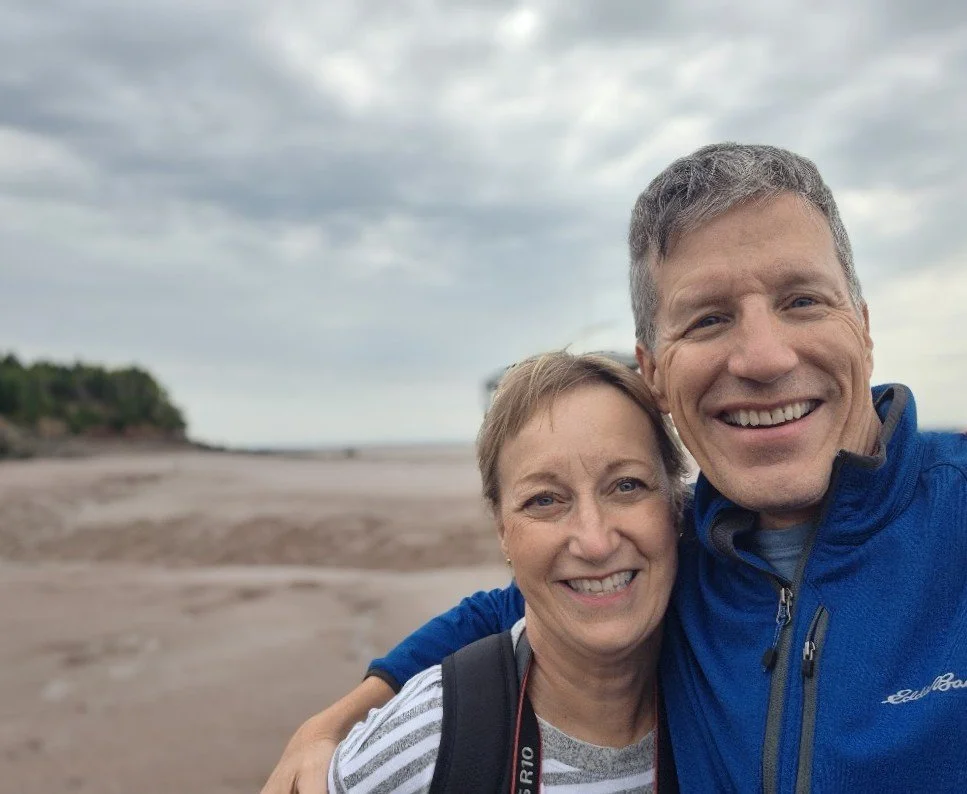
Before long, our focus shifted back to the water. We kept an eye on the tides, knowing they can catch the unwary by surprise. The water came quietly, first filling narrow channels before spreading across the flats and soon erasing the pockmarks Keith had left in the mud. Slowing down to witness the tide transform the land was one of the highlights of our stay.
A drive through history
We also explored Route 935 and its side roads in search of places suggested by Cole.
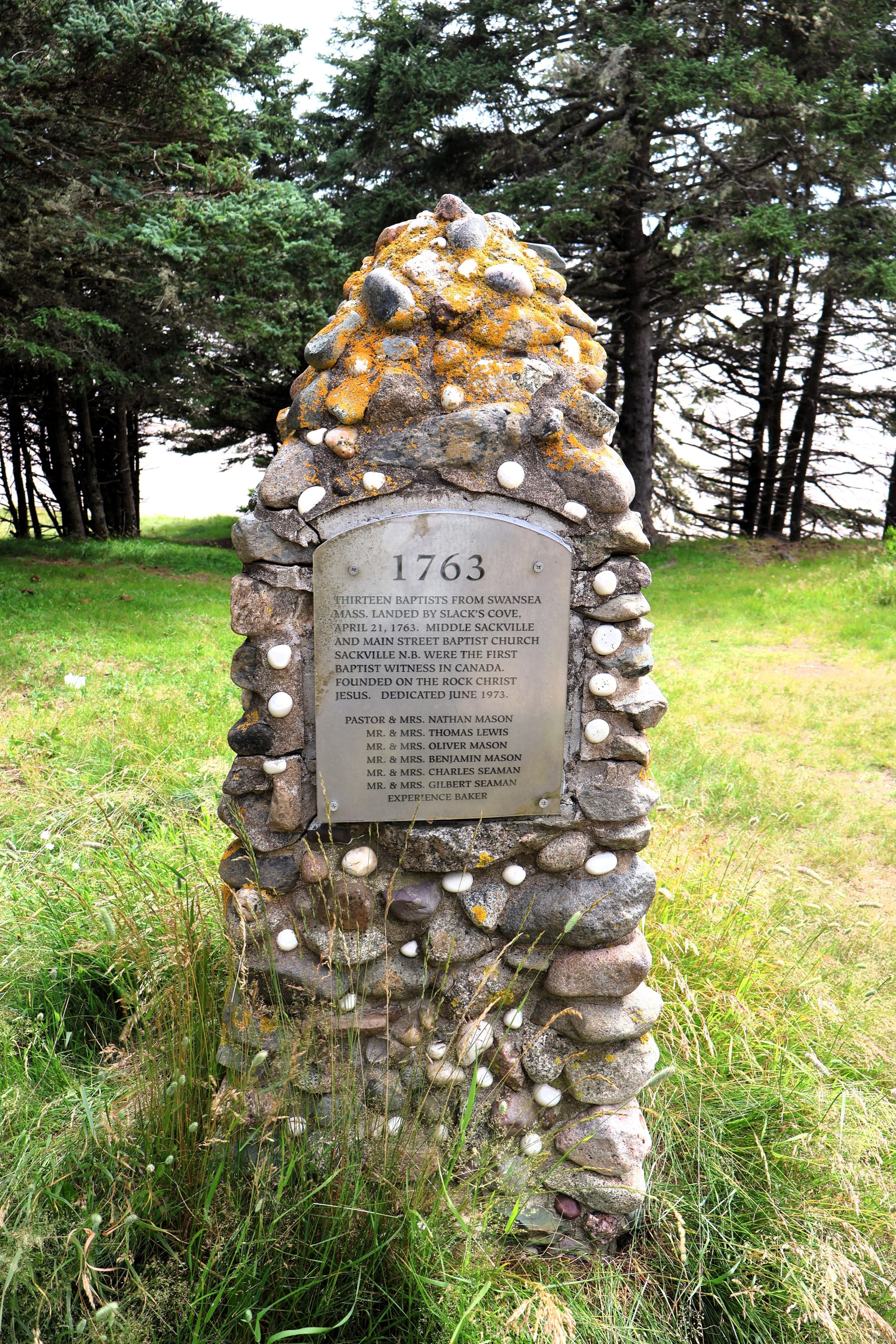
At Slacks Cove, we stopped at a stone monument marking where 13 Baptists from Swansea, Mass., came ashore in 1763. The settlers went on to establish a congregation in Middle Sackville, N.B., that historical sources identify as the first Baptist congregation in what is now Canada. Rockport United Church provided another reminder of the region's history. Signage notes the church was founded in 1875.
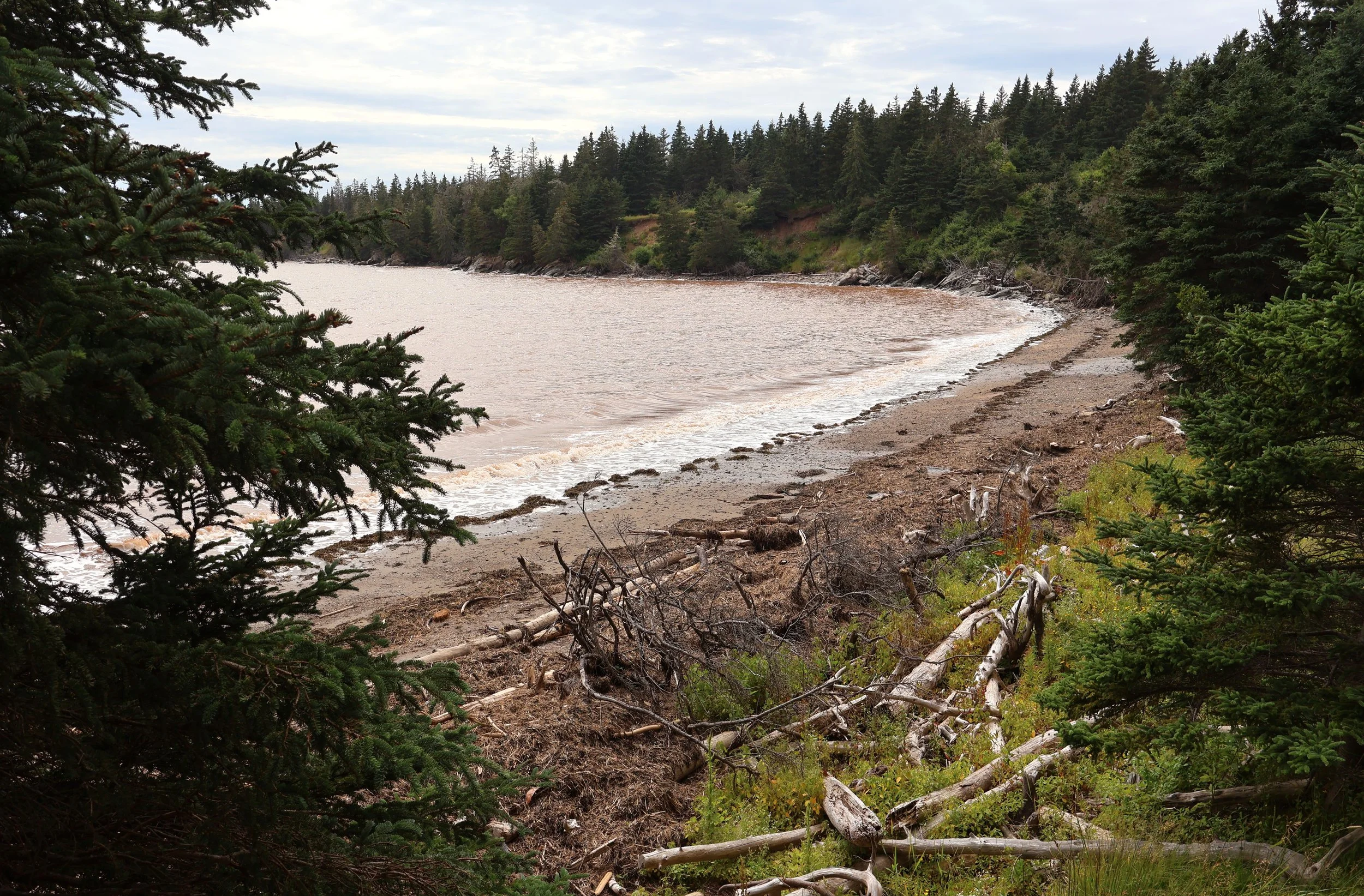
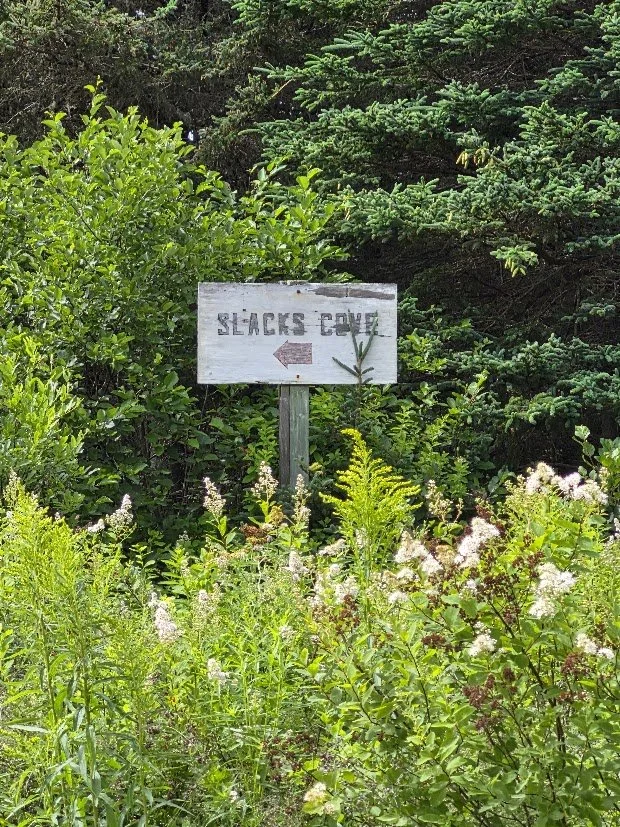
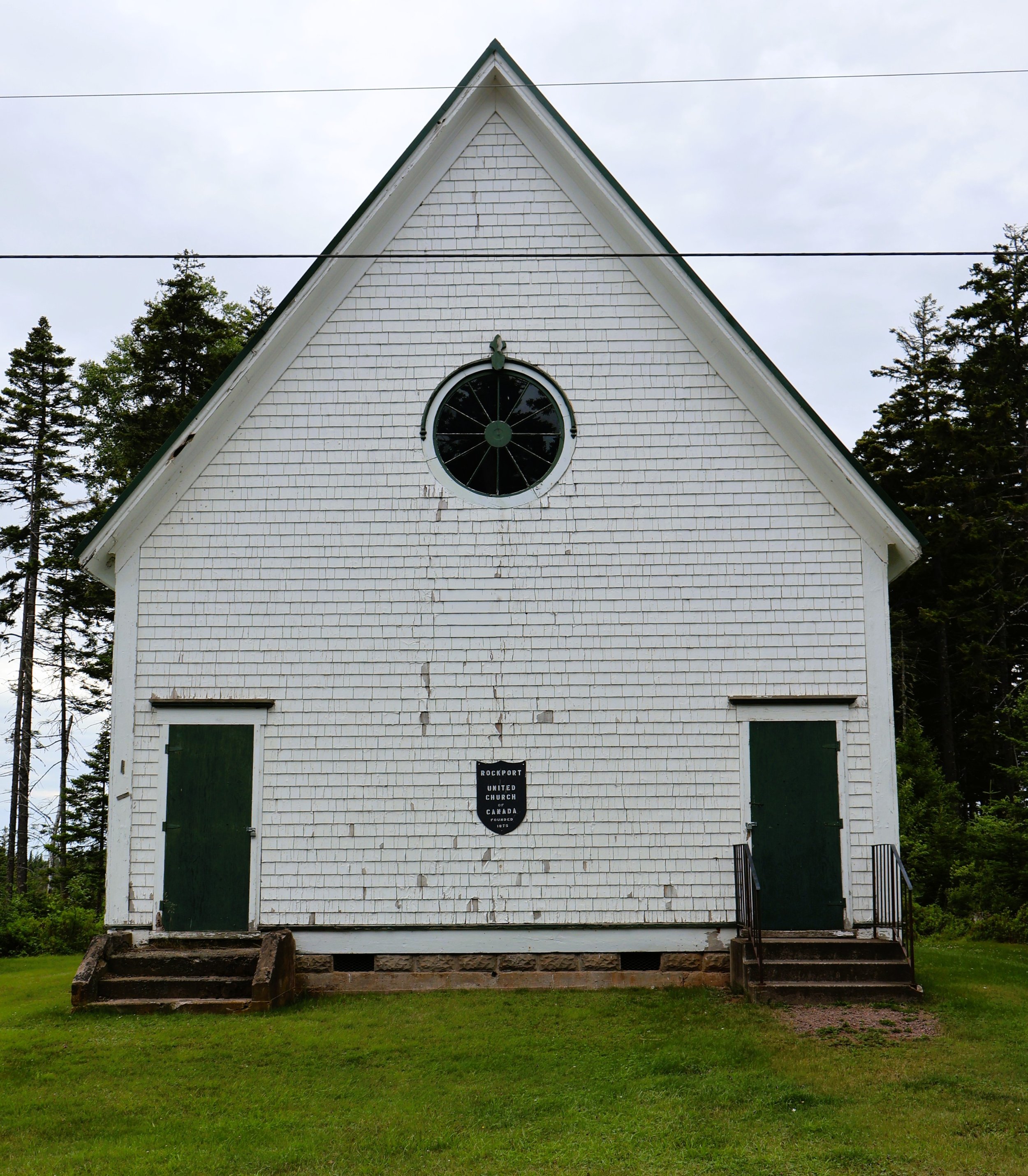
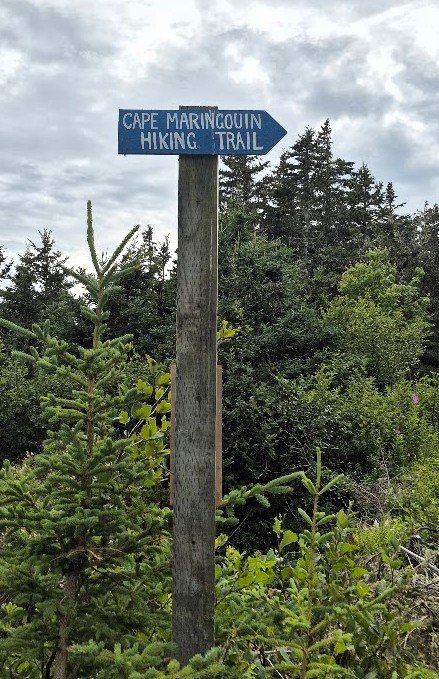
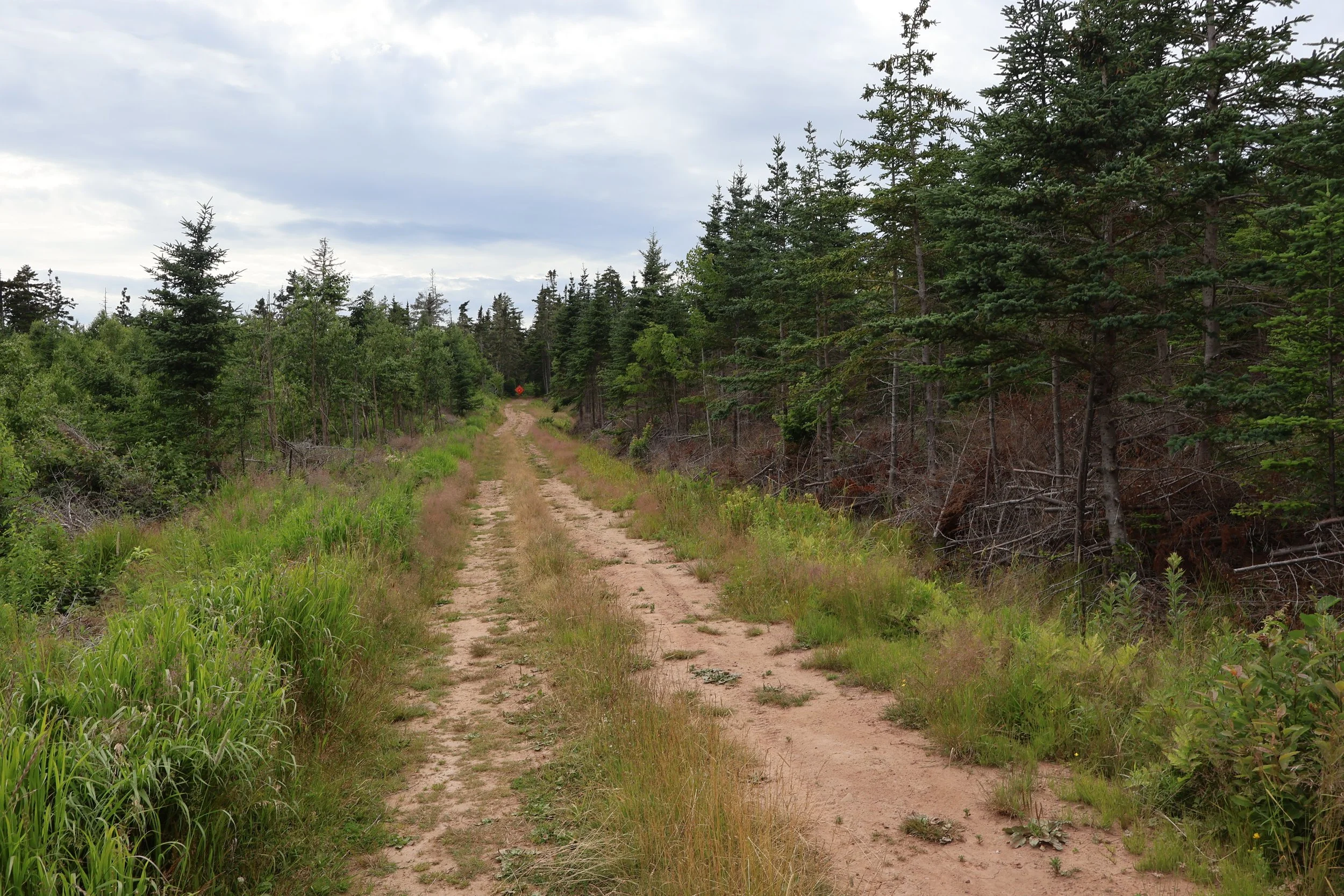
When Lower Rockport Road ended at the bottom of the peninsula, we parked along the picturesque shore and followed a sign for the Cape Maringouin Trail. My phone had switched to satellite-only mode, a reminder of just how remote the area was, but we forged ahead.
We followed the trail until a gate appeared to block further access, so we turned back, making a mental note to return another time with better information.
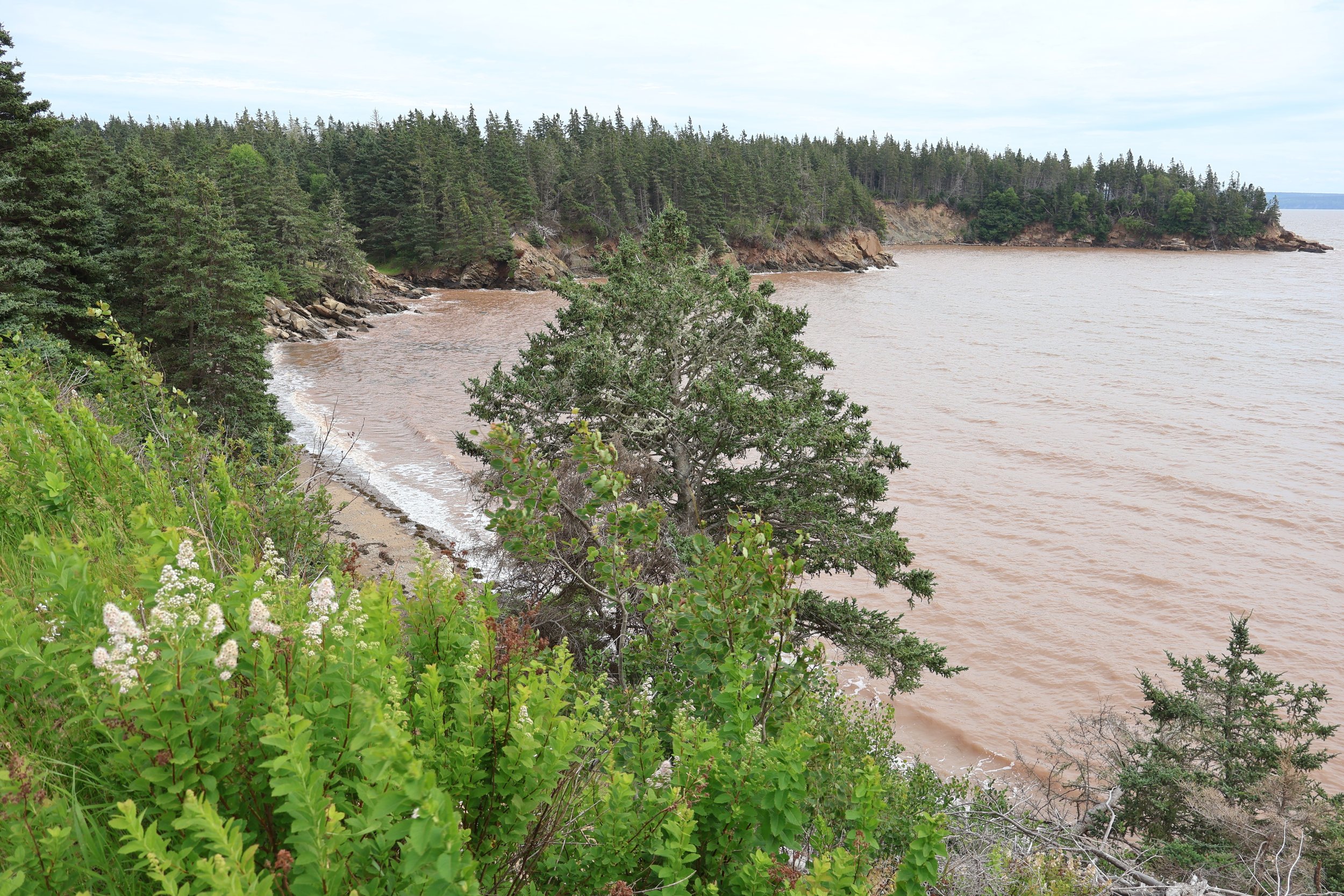
Back at the RV, I did a little reading about the peninsula. A 2023 CBC story quoting historian James Upham described it as a much busier place in the 19th century. Communities such as Rockport, Slacks Cove and Pecks Cove supported industries including sandstone quarrying, fishing and shipbuilding before many residents gradually moved away.
Learning this history added another layer to our visit, providing an unexpected glimpse into the past.
Tranquil moments
Some of my favourite moments were the early morning and sunset photo shoots where I attempted to capture images of wildlife or coastal panoramas.
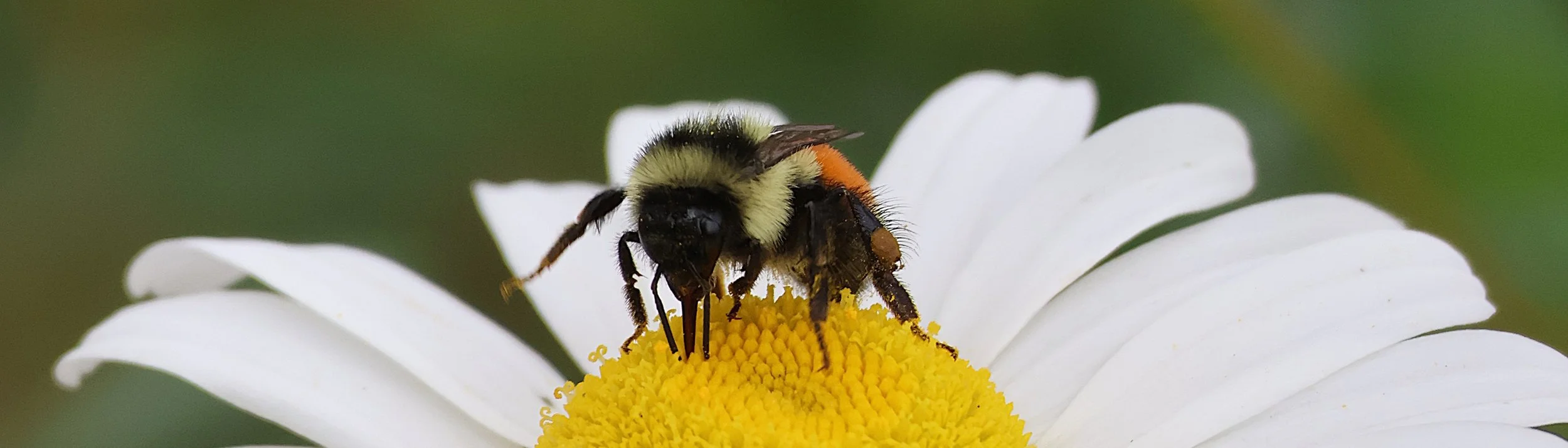
The animals were cagey, though. We spotted a large porcupine, a skunk, two rabbits, a groundhog and several bird species, but I wasn’t able to photograph any. I had better luck with a busy bee working its way through a patch of daisies, giving me plenty of close-up opportunities. I've always enjoyed photographing nature, and my impromptu bee shoot was an unexpected bonus.
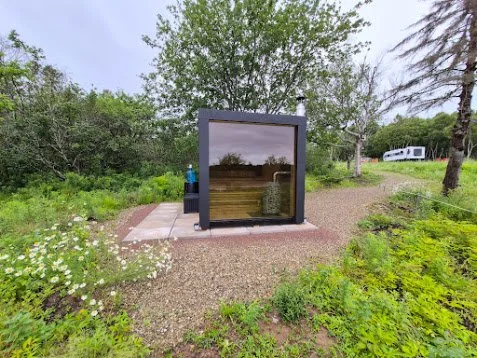
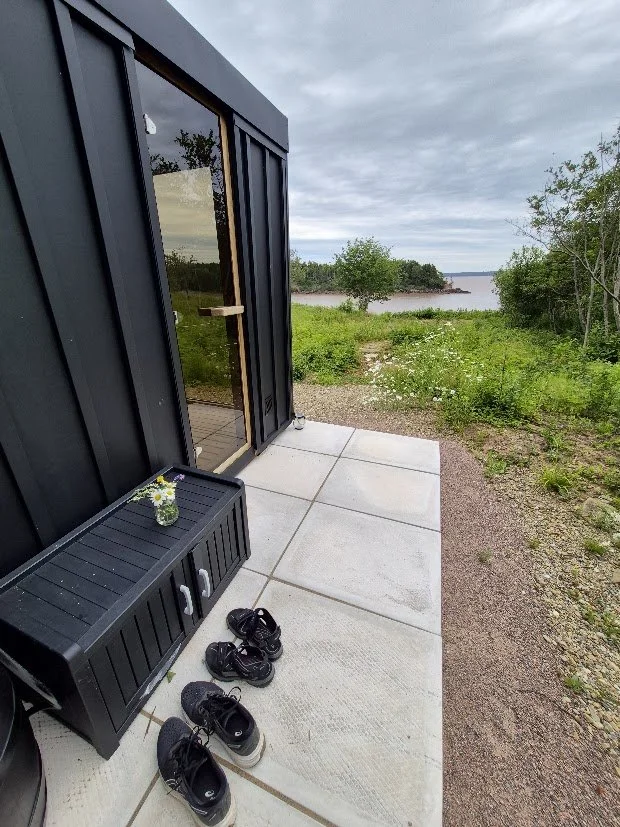
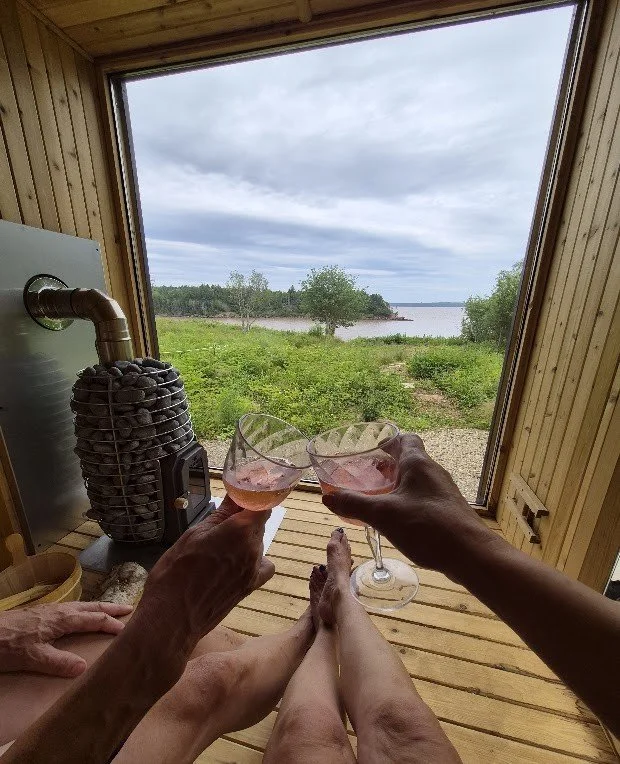
Also memorable was the wood-fired sauna, a short walk from the RV.
Keith had the cube sauna up to temperature when we arrived. We shed the robes that covered our bathing suits and began our own Nordic-style circuit, 15 minutes in the heat followed by 15 minutes outside in the Fundy breeze. The combination of heat, fresh air and the spectacular tidal backdrop made for a great end to the day.
Looking back
RAW was an excellent escape for us because, with our backs telling us our tenting days are over, it let us experience the Bay of Fundy up close while enjoying modern amenities.
Most importantly, it gave us the opportunity to disconnect from everyday life and reconnect with nature — and each other.
Two nights were enough for us to really unwind, to see the tides come and go, to cook together, to follow unfamiliar roads and to just breathe. We returned home refreshed, already wondering where curiosity might lead us next.
For more information
For rates and availability, visit rawrestandwander.ca.
DISCLOSURE: Cathy and Keith Donaldson were hosted for a two-night stay by RAW Rest and Wander. RAW was invited to review factual details for accuracy but did not approve or direct the editorial content.