60 by 60 — Adventure 8: Making Better Sense of Menopause and Perimenopause
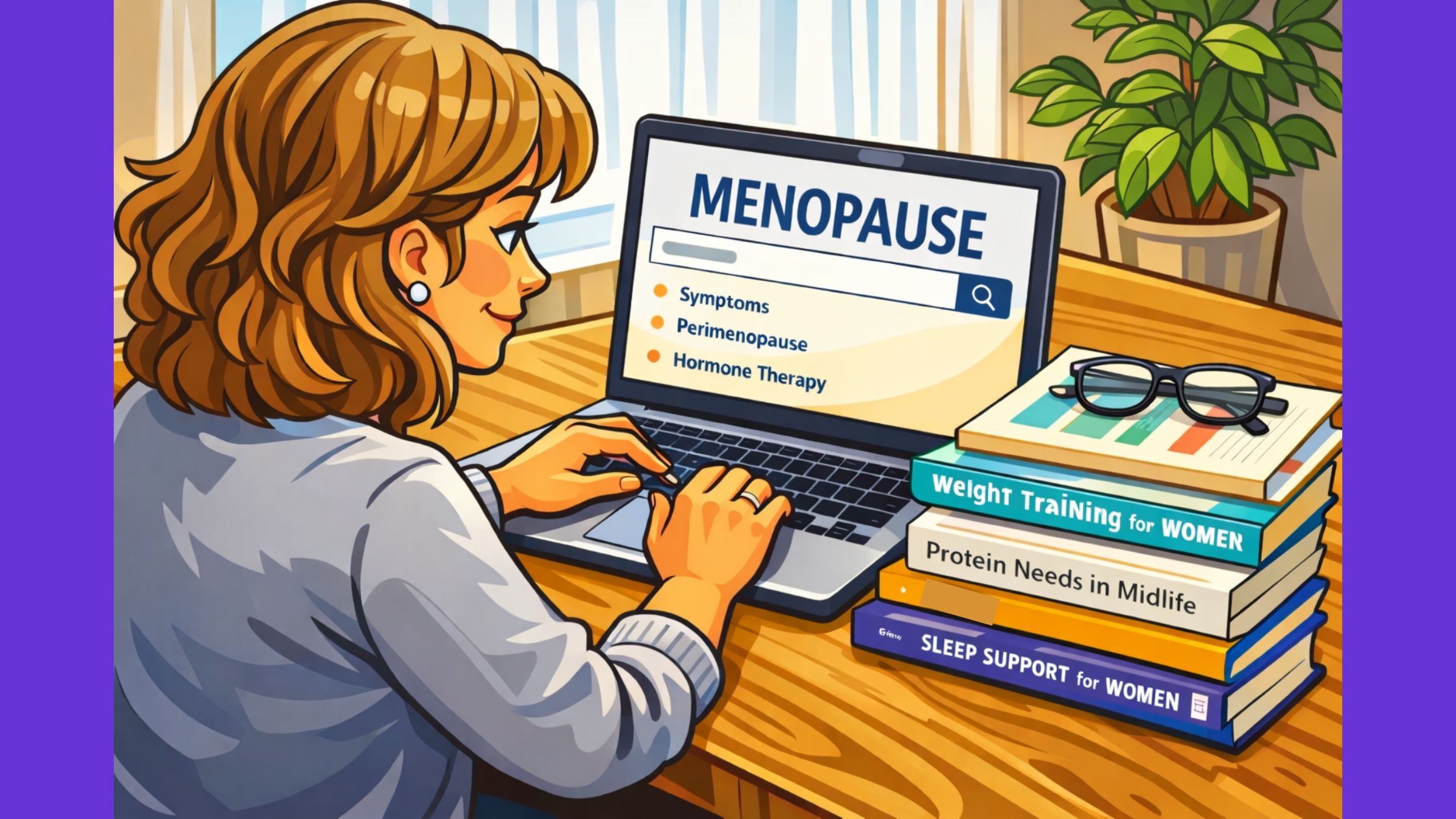
Being a woman hasn’t always been a barrel of laughs. (Men, you may want to cover your ears at this point.)
My womanhood journey began with painful periods in my teens—severe cramps and irregular flow that eventually settled down in my 20s. (Cheers to the pill!)
When I decided to become a mother, I was fortunate to give birth to two amazing daughters, a role filled with endless joy and just the occasional bout of exhaustion.
In my 30s, my body threw me a new curveball: my first panic attack. Anxiety became an increasingly familiar companion over the next decade, joined by iron-deficiency anemia caused by heavy periods. I sometimes think of them as the diaper years.
By 49, after years of managing a growing list of symptoms and doing plenty of research in consultation with medical professionals, I decided to have a hysterectomy. It was the right decision for me, a life-changing one that helped me feel like I had my life back. I was ready to say goodbye to my uterus, which had done its job so well, and more than happy to retire the super maxi pads.
I kept my ovaries, though, which meant menopause didn’t announce itself right away. It wasn’t until years later, through bloodwork, that I learned my estrogen levels were firmly in the postmenopausal range. I didn’t experience hot flashes or night sweats to the same degree as some friends, but anxiety—which I thought I’d successfully caged earlier through medication and other supports—came roaring back.
These days, my anxiety monster is generally well behaved, though it still requires consistent attention to what I call my eight magical “Ms,” including Move, Meditate, Mingle, Mother Nature, and Me Kindness—daily practices that help keep me steady and grounded.
I’m also a firm believer in taking advantage of every opportunity to better support my health. When I heard about ME Day 2026 in Dieppe, it sounded like one of those opportunities: a one-day gathering focused on women’s empowerment, health and the realities of midlife. It also seemed like a terrific adventure to include in my 60 by 60 storytelling project leading up to my 60th birthday this fall.
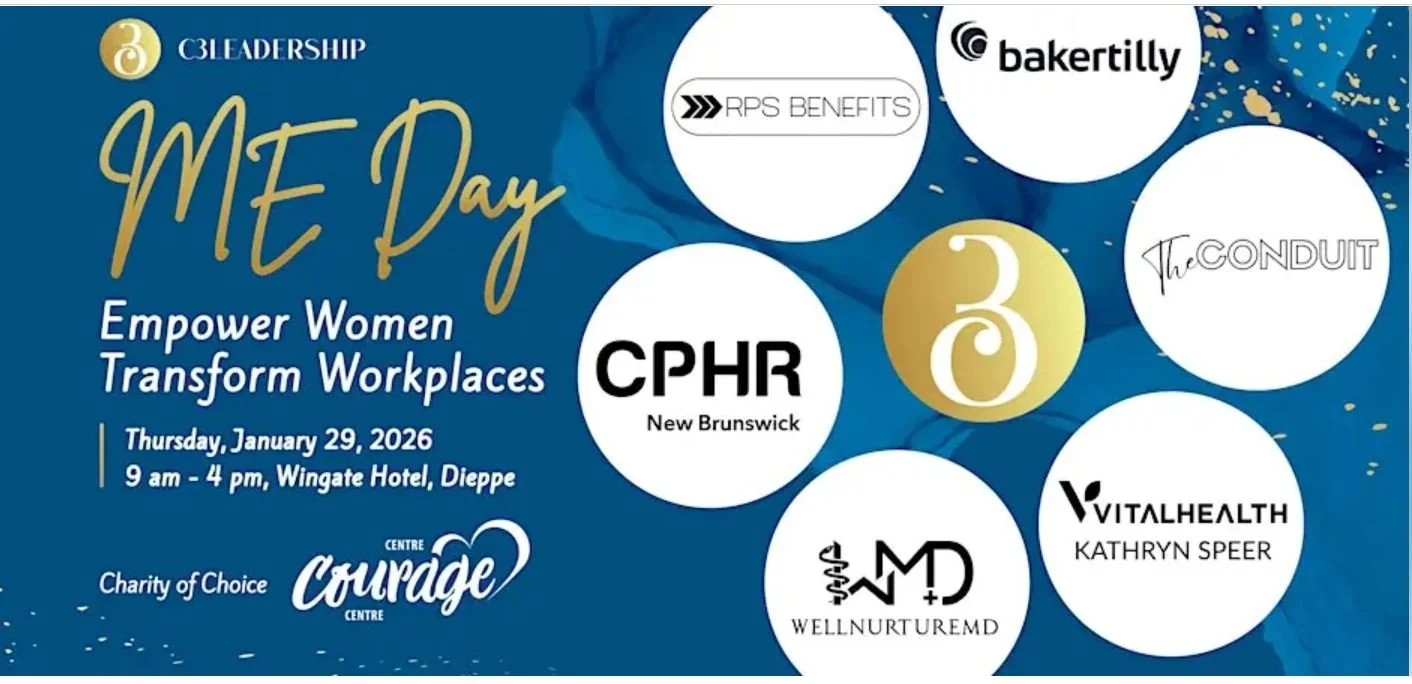
I knew one of the organizers, Cindy Comeau of C3 Leadership, and had no doubt it would be a solid event. What unfolded was equal parts education, validation and call to action—especially around menopause and its precursor, perimenopause.
(A quick note on terms: Perimenopause is the hormonal transition leading up to menopause, often beginning in a woman’s 40s, sometimes earlier. During this phase, estrogen levels fluctuate and symptoms such as irregular periods, anxiety, brain fog, sleep disruption and weight changes may appear, even while periods continue. Menopause is the point when a woman has gone 12 consecutive months without a menstrual period. The years that follow are known as postmenopause, when estrogen levels remain consistently low.)
It started with the screen
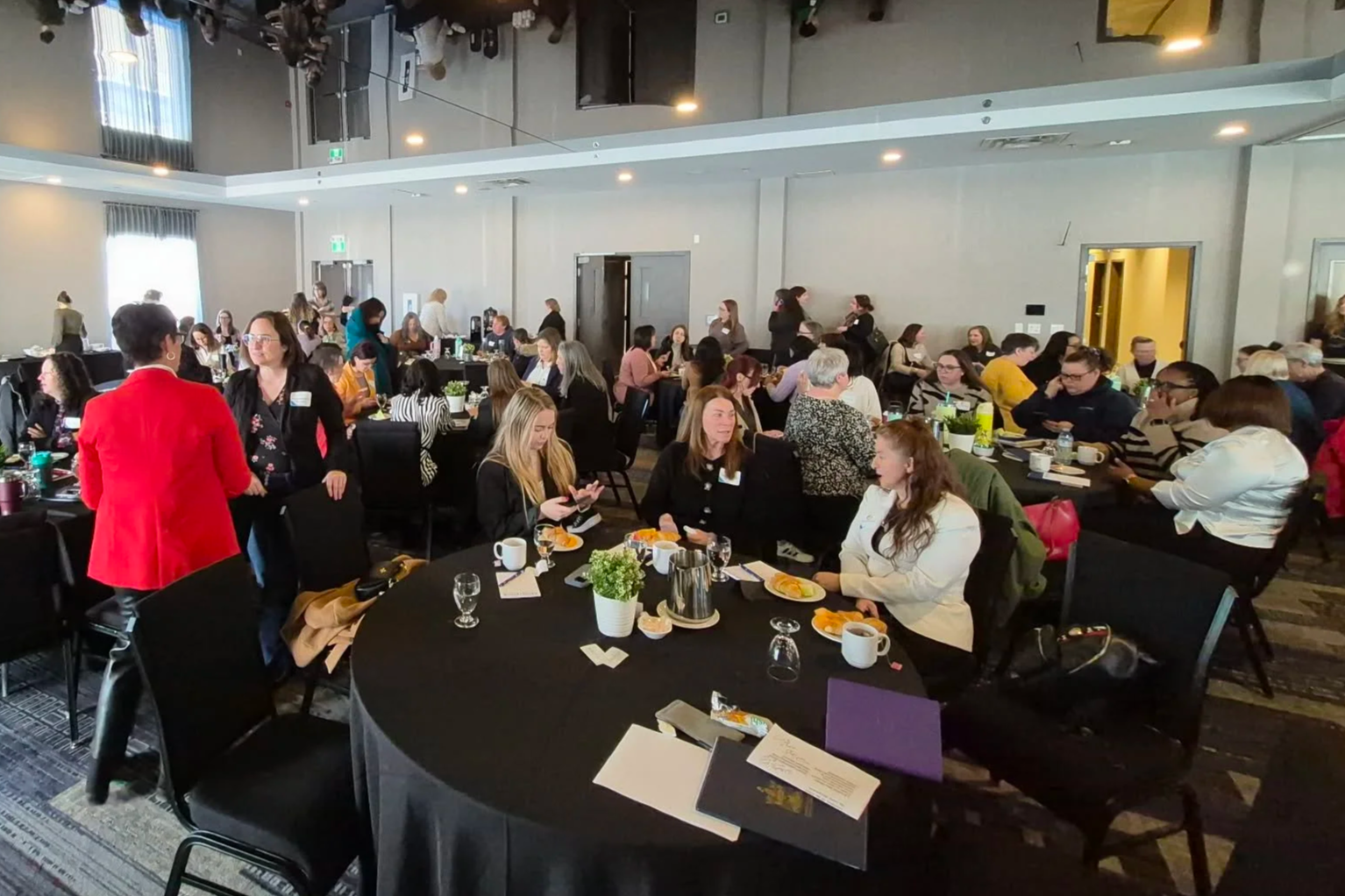
ME Day 2026 took place yesterday at a Dieppe, N.B., hotel, with 135 women—mostly aged 40 and better—filling a large ballroom, seated in groups of six or so at round tables.
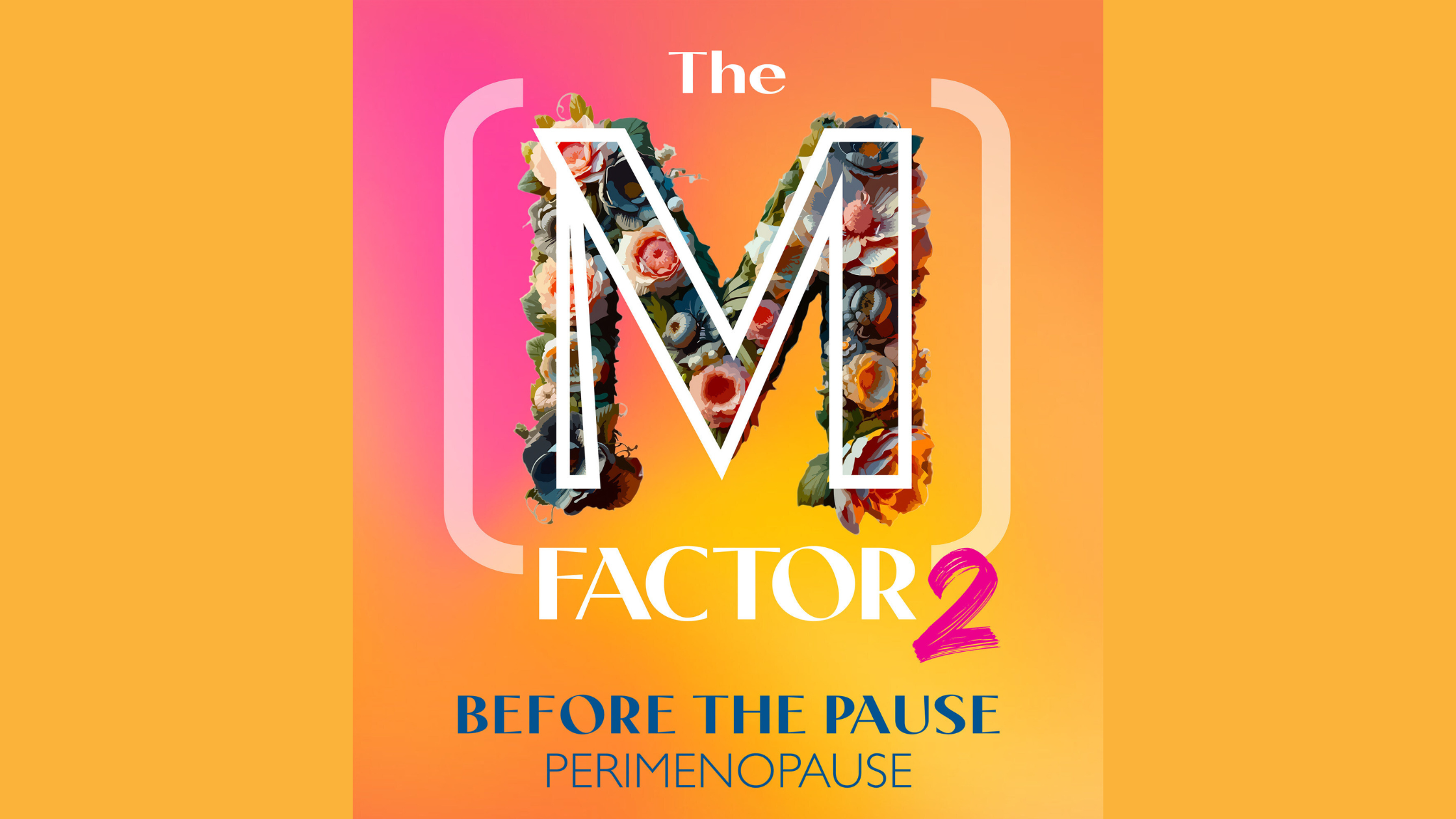
The morning began with a special screening of The (M) Factor 2: Before the Pause, a newly released follow-up to a documentary on menopause, which reached more than 10 million viewers, including through its airing on PBS. The second installment shines a light on perimenopause, a stage many women experience without clear information or adequate support. (Stay tuned to Eventbrite for additional upcoming screenings in this area.)
“Not feeling like myself”
The film blends real women’s stories with expert insights to detail what many women quietly endure in perimenopause—symptoms such as those mentioned earlier: weight gain, brain fog, anxiety, fatigue, disrupted sleep and a sense of not feeling like myself.
What struck me most watching the documentary wasn’t just the symptom list, but the recurring message from medical experts on screen: that perimenopause is real; that it can affect your heart, bones, brain, and sexual health; and that there are evidence-based ways to ease the transition.
Among the most practical (and reassuring) takeaways from The (M) Factor 2:
Hormonal support matters. Options discussed included birth control, hormone therapy, and vaginal estrogen — with several clinicians describing estrogen as one of the most effective treatments for perimenopausal symptoms.
Heart and bone health are at stake. Estrogen loss during perimenopause is linked to increased heart-disease risk and accelerated bone loss, underscoring the importance of early attention and prevention.
Movement is medicine. Impact exercise and strength training—particularly lifting weights—were repeatedly emphasized for their role in bone density, muscle mass, and metabolic health.
Nutrition needs shift. Eating enough (especially sufficient lean protein), staying hydrated, and supporting the body with key nutrients matter more than ever. Supplements recommended included magnesium, vitamin D, B vitamins, iron and omega-3s.
Prioritizing sleep and limiting excessive alcohol were also emphasized.
The overall message was clear: perimenopause is not a personal failing—and it’s not “all in your head.”
The workplace reality for midlife women
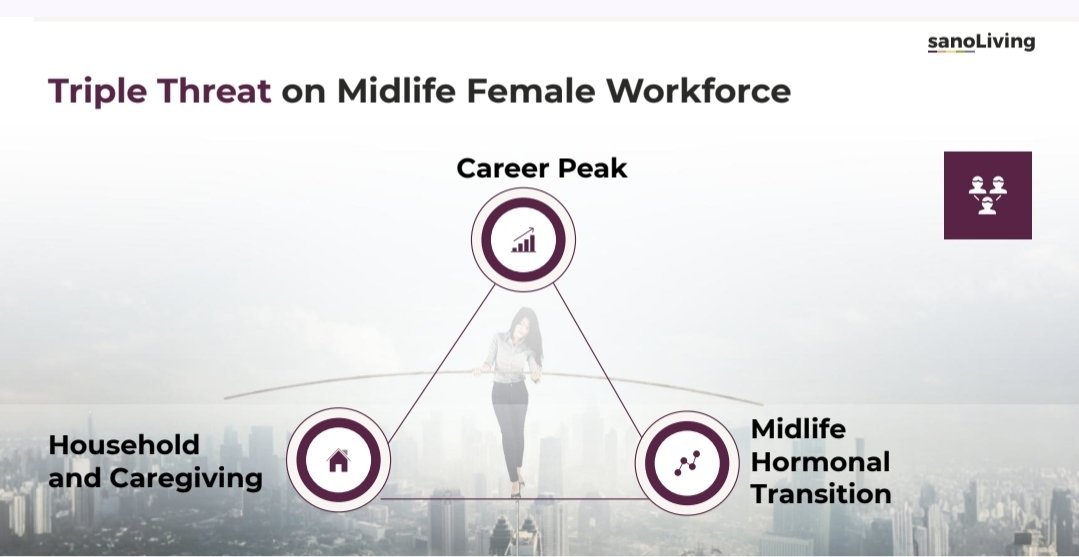
Following the film, there was a presentation by Angela Johnson, CEO and Co-Founder of sanoLiving, a Canadian-based digital health platform providing virtual care for women’s midlife health. Johnson described the triple threat facing midlife women in the workforce: peak career responsibility colliding with hormonal transition and mounting personal demands.
Her presentation highlighted sobering gaps:
• Many physicians are poorly trained in menopause care
• One in five women in Canada doesn’t have a family doctor
• Women’s health remains chronically underfunded and under-researched
The data painted a clear picture: women are experiencing longer absences, higher mental-health claims, and increased chronic-disease risk during midlife, yet little is being done.
Johnson emphasized the importance of continuity of care and encouraged women to:
• Check workplace insurance plans for menopause-related coverage
• Advocate for themselves with employers and providers
• Seek out clinicians with menopause expertise
• Better understand what supports may be available through health-benefit providers such as Medavie Blue Cross
Her message was empowering: women shouldn’t have to navigate this significant health change alone, and that by becoming better informed, we can ask better questions.
Lived insights and practical supports
Panel discussions and Q&A periods throughout ME Day 2026 gave lived perspectives from those in the crowd. Local experts also discussed a range of supports and practices, from adequate protein and fibre intake to manual lymphatic drainage.
Meanwhile, presenters from WellNurture MD shared their thoughts about midlife health. (WellNurture MD is a women’s clinic based in Moncton specializing in perimenopause and menopause care. Physicians with the clinic deliver services on a private-pay basis, with some services eligible for reimbursement through health insurance plans.)
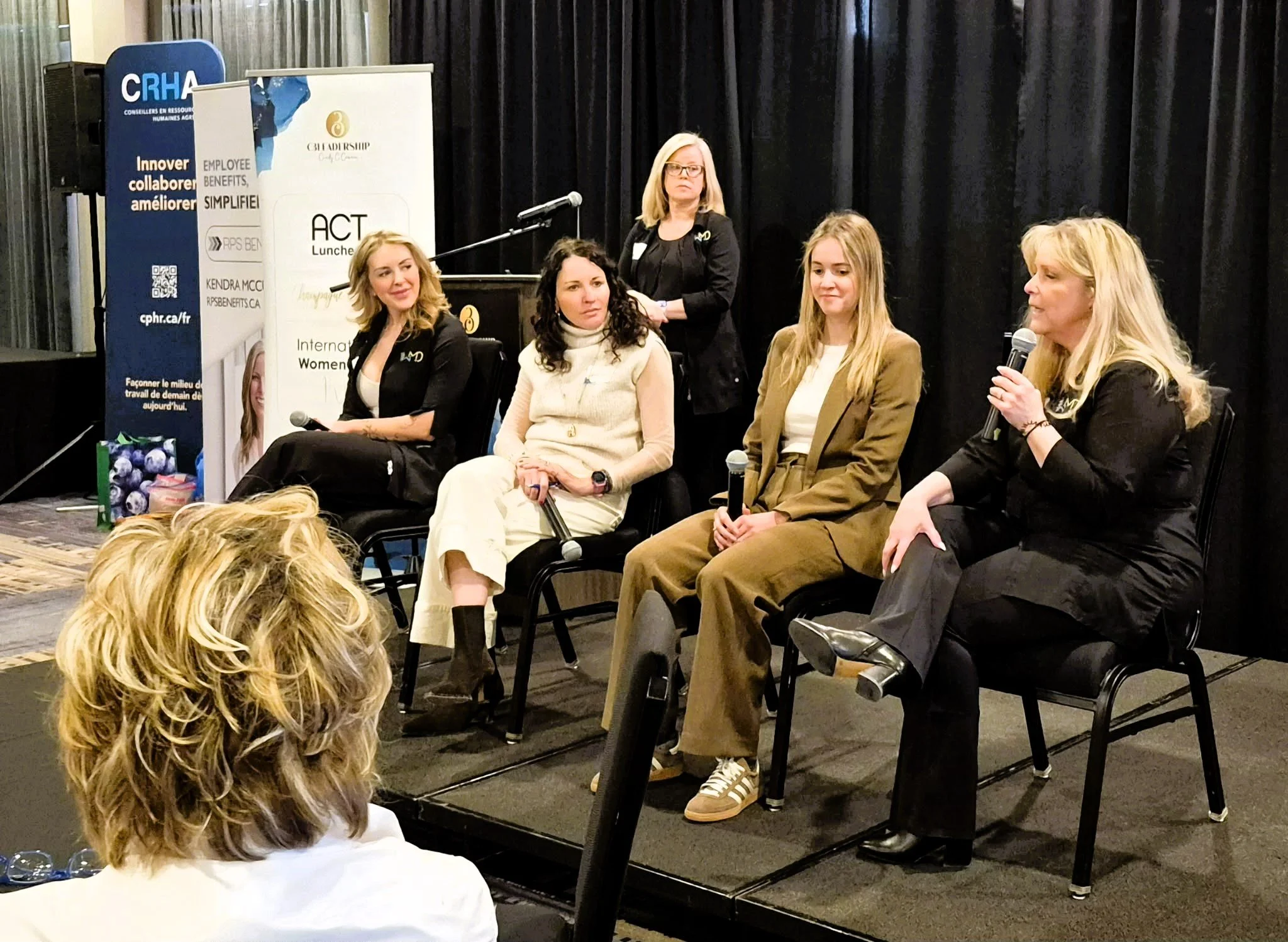
Among the highlights of that presentation:
• Hormone replacement therapy (HRT) can support a broad range of health issues, not just hot flashes
• Testosterone may be an option for some women
• Pelvic floor physiotherapy is an often-overlooked but valuable support
Speakers during the day acknowledged that general practitioners, gynecologists, and specialists don’t always agree in their recommendations — reinforcing the importance of asking why opinions differ and doing research to make informed choices.
As I absorbed all of the learnings last night, I found myself reflecting on my own next steps. I may be a candidate for some form of hormone therapy, something I plan to investigate further with appropriate medical guidance. I’m also mindful that starting hormone therapy is more widely recommended before 60, which makes this moment—as I approach that milestone—feel especially timely.
Why this matters
I also wondered at day’s end:
How many women have quietly blamed themselves for symptoms rooted in biology? How many careers have been derailed because women lacked information and support about perimenopause and menopause?
ME Day offered attendees encouragement to seek care and to stop minimizing what midlife women experience every day. My hope in sharing a snapshot of the event is to further that message and remind women in all stages of life that their health matters, and you are not alone.
60 by 60 is a series chronicling 60 adventures in the lead-up to my 60th birthday in September. I’m doing this to nudge myself (and maybe you!) to try new things and stay curious in midlife.
Have an idea for a 60 by 60 adventure I should consider, in Canada or beyond? I’d love to hear it! Email me at cathykdonaldson@outlook.com.
Read Adventure 1 from the series here: 👉 https://www.cathydonaldson.ca/midlife-report/60-by-60-lets-go
Adventures 2 through 7 can be found on my Facebook and Instagram feeds, with more to come as the journey unfolds!